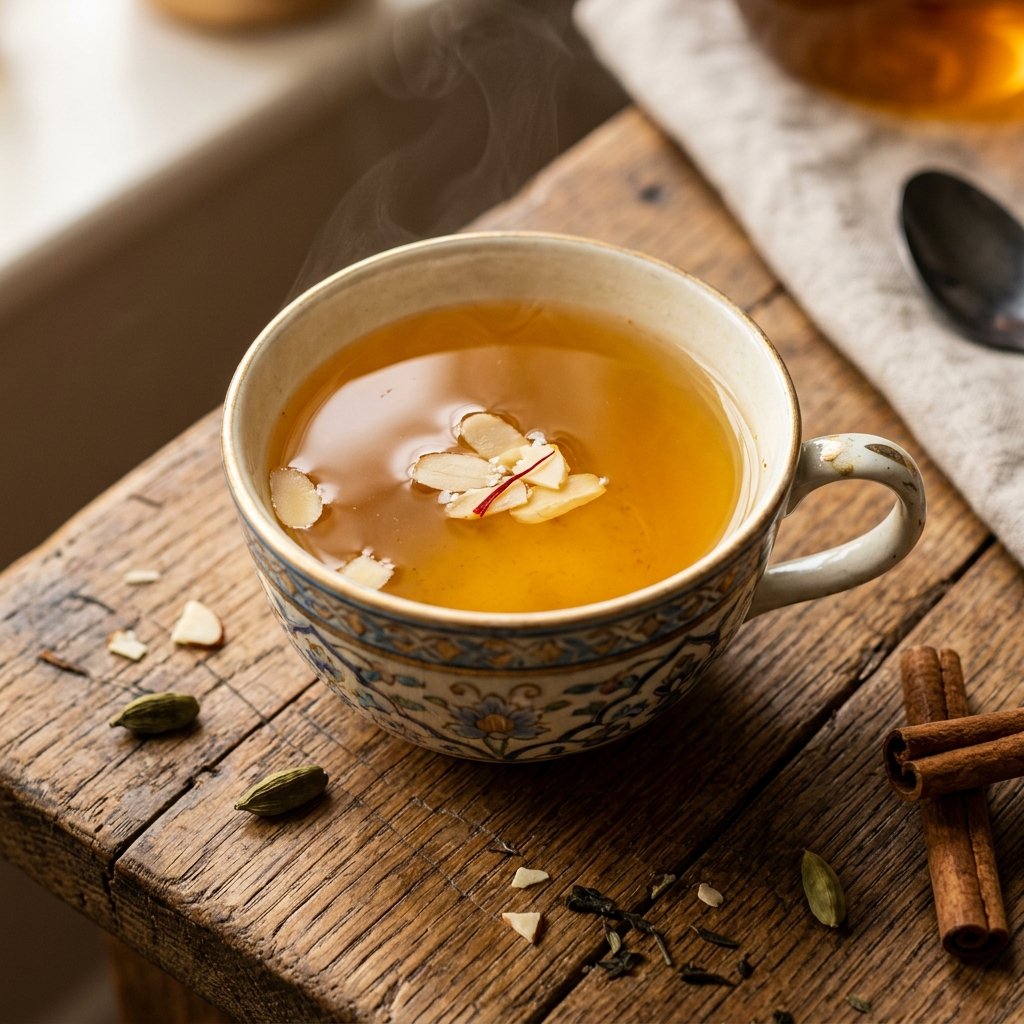
When asking how to make kahwa at home, most home attempts go wrong in the same spot: the green tea leaves sit in hot water a minute too long, and the delicate Kashmiri saffron and cardamom notes get buried under bitterness. It's an easy mistake, and it's the single biggest reason people try Kahwa once at home, decide it's "not for them," and never make it again — when the actual issue was never the recipe, it was the timing.
Kashmiri Kahwa is a Kashmiri kahwa green tea-based drink from the Kashmir Valley, brewed with whole spices, saffron, and traditionally served without milk. It's light, aromatic, and meant to be sipped slowly (offering many health benefits of kahwa) — closer to a spiced herbal tea (as noted in a 2018 study in the Journal of Traditional Medicine) than the milky, robust chai most people associate with Indian tea culture. Done right, it takes about ten minutes and needs no special equipment, though Kashmiri households traditionally brew it in a copper vessel called a samovar.
The short version, if you're in a hurry: simmer your spices first, add tea leaves only after you've removed the pan from heat, and never let the leaves sit for more than two to three minutes. Everything below explains why, plus the exact ratios and timing that make the difference between bitter tea and the real thing.
What Is Kashmiri Kahwa?
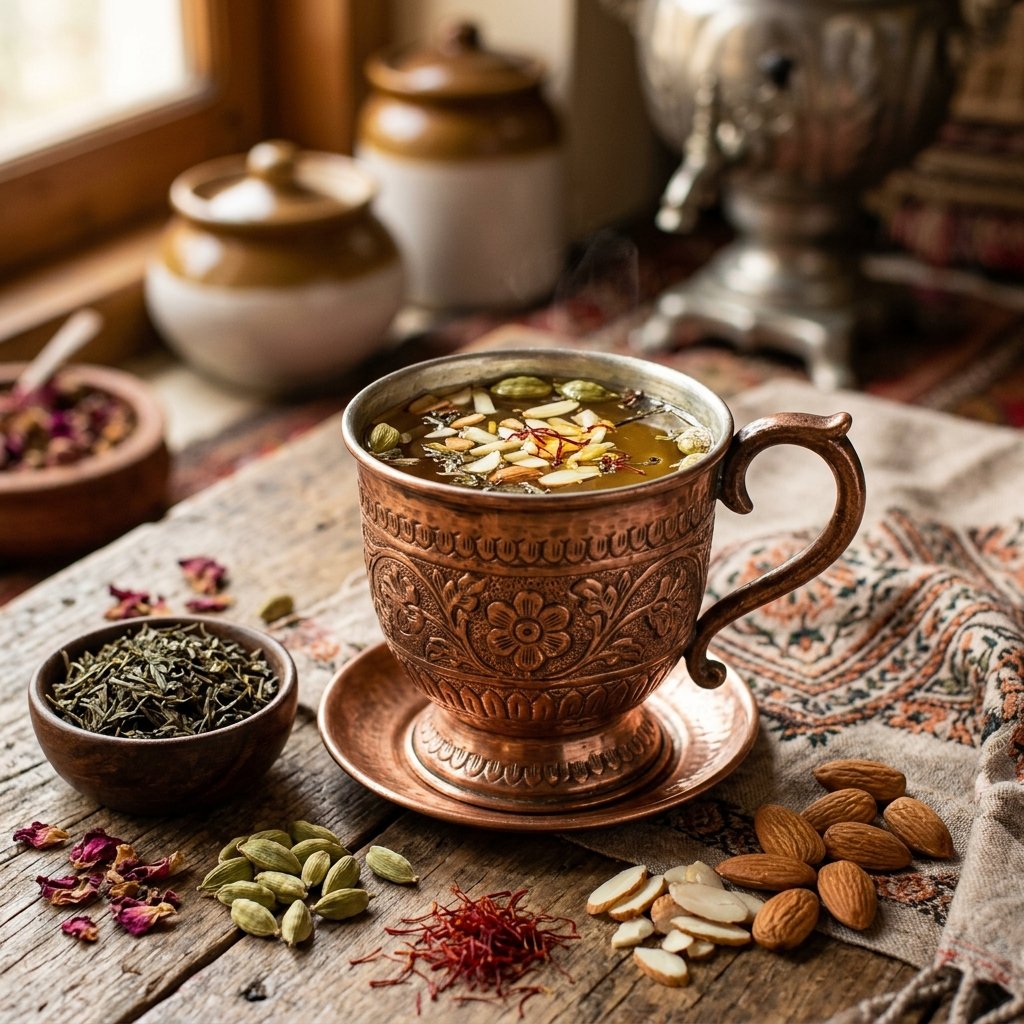
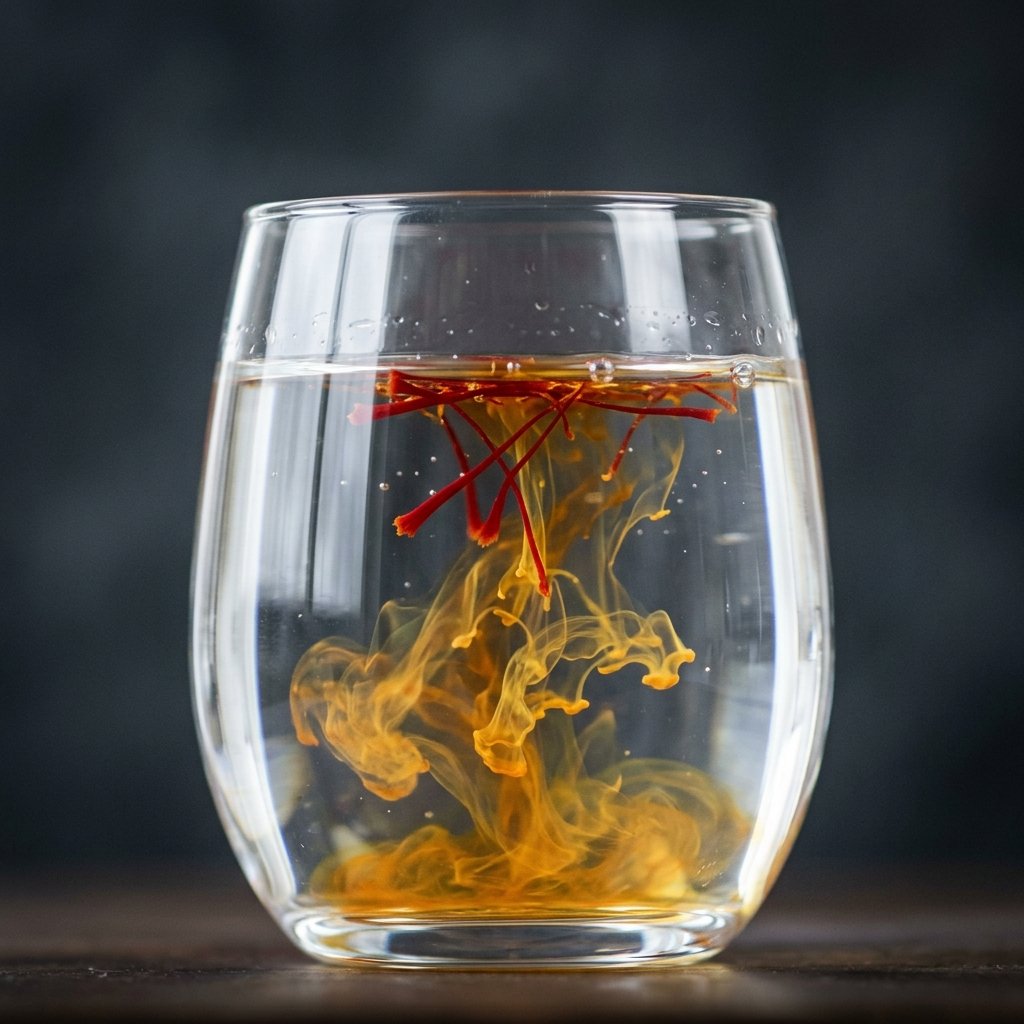
Kahwa is a traditional Kashmiri beverage made by infusing green tea leaves with a blend of warm spices — typically cinnamon, cardamom, and cloves — along with saffron strands, and often finished with slivered almonds. Unlike regular Indian chai, it's brewed completely without milk, giving it a clear, light amber-gold color rather than chai's opaque, creamy appearance.
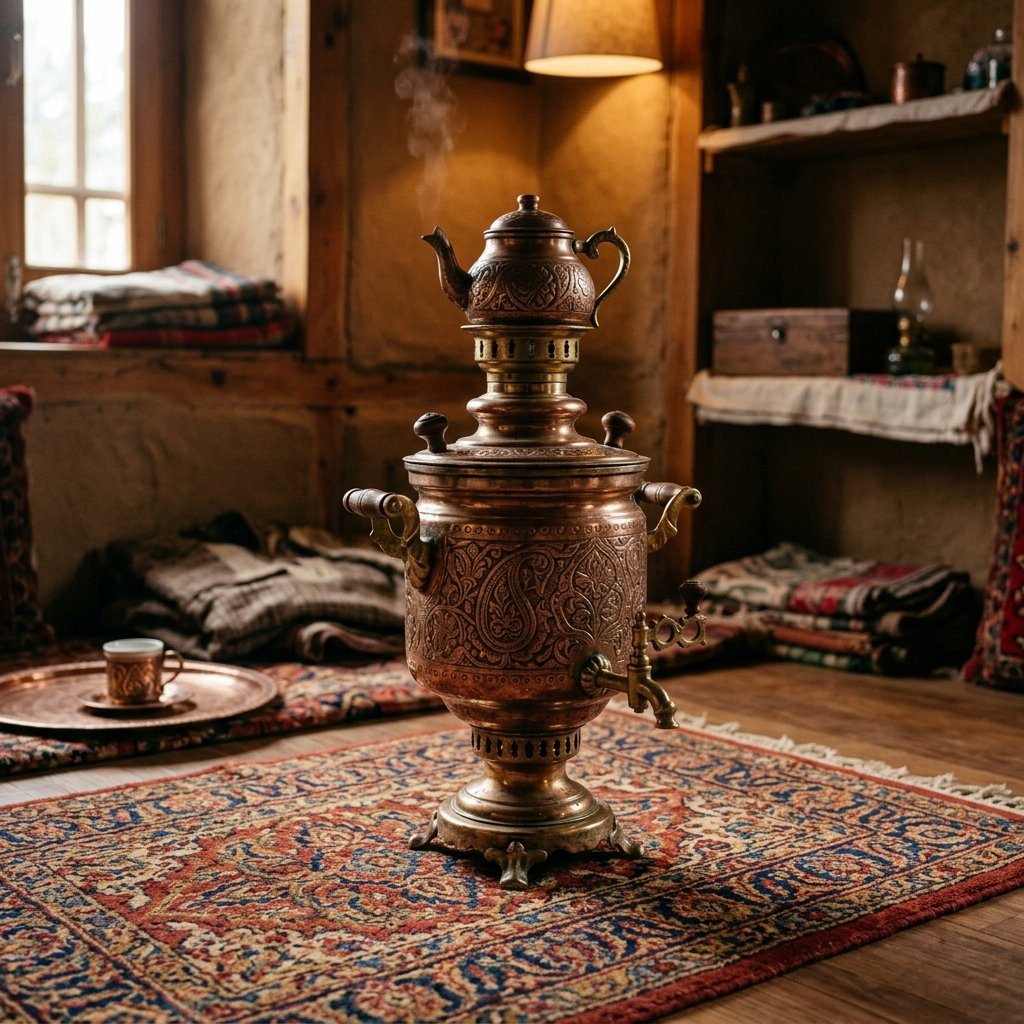
The name itself has Arabic roots (qahwa), reflecting the drink's connection to a broader regional tradition of spiced, unsweetened brewed drinks that spread through trade routes into Central and South Asia. In Kashmir specifically, Kahwa evolved into its own distinct identity — light, floral, and deeply tied to hospitality. It's the drink served at celebrations, after a Wazwan feast, during long winters, and to guests as a gesture of welcome, traditionally poured from an ornate copper samovar into small bronze cups called kashkul.
It's worth distinguishing Kahwa from noon chai (also called "pink tea" or "sheer chai"), Kashmir's other signature tea. Noon chai is salty, pink, and made with milk and baking soda — it's essentially the opposite drink in flavor profile. Kahwa is the mildly sweet, spiced, milk-free counterpart, and the two are almost never confused by anyone who's actually tried both.
What You'll Need: Ingredients and Equipment
Core ingredients (makes 2 cups):
- 3 cups (about 700 ml) water
- 1–2 teaspoons Kashmiri green tea leaves (or a mild green tea if unavailable)
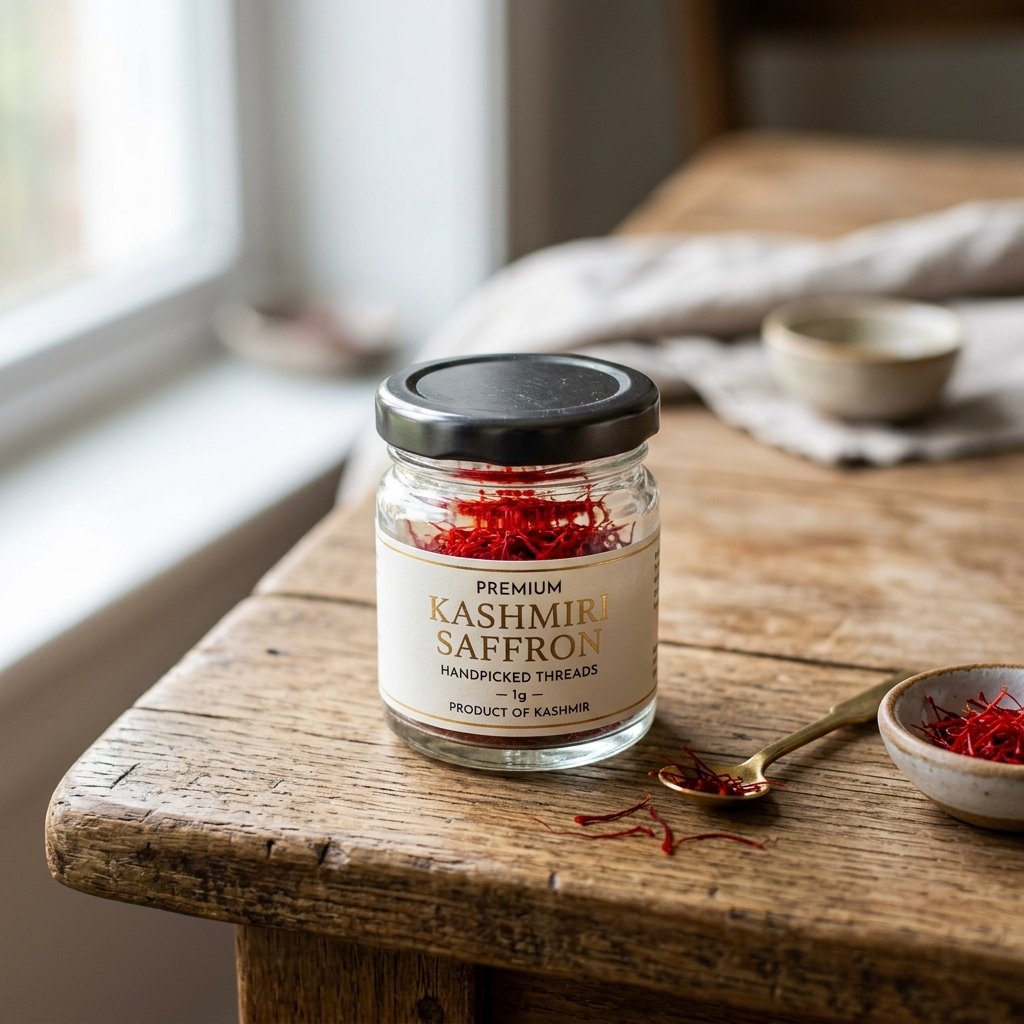
- 4–6 saffron strands
- 1 small cinnamon stick
- 4–5 green cardamom pods, lightly crushed
- 2–3 whole cloves
- 1 tablespoon dried rose petals (food-grade, optional but traditional)
- 1–2 teaspoons sugar or honey, to taste
- 1 tablespoon blanched almonds, thinly sliced or crushed, for garnish
Equipment: A small saucepan works perfectly fine — you do not need a samovar to make good Kahwa at home, despite what the traditional imagery suggests. A fine mesh strainer is genuinely important, though, since you're straining out whole spices and loose tea leaves before serving.
The Step-by-Step Brewing Method
Step 1: Prep your spices and nuts first
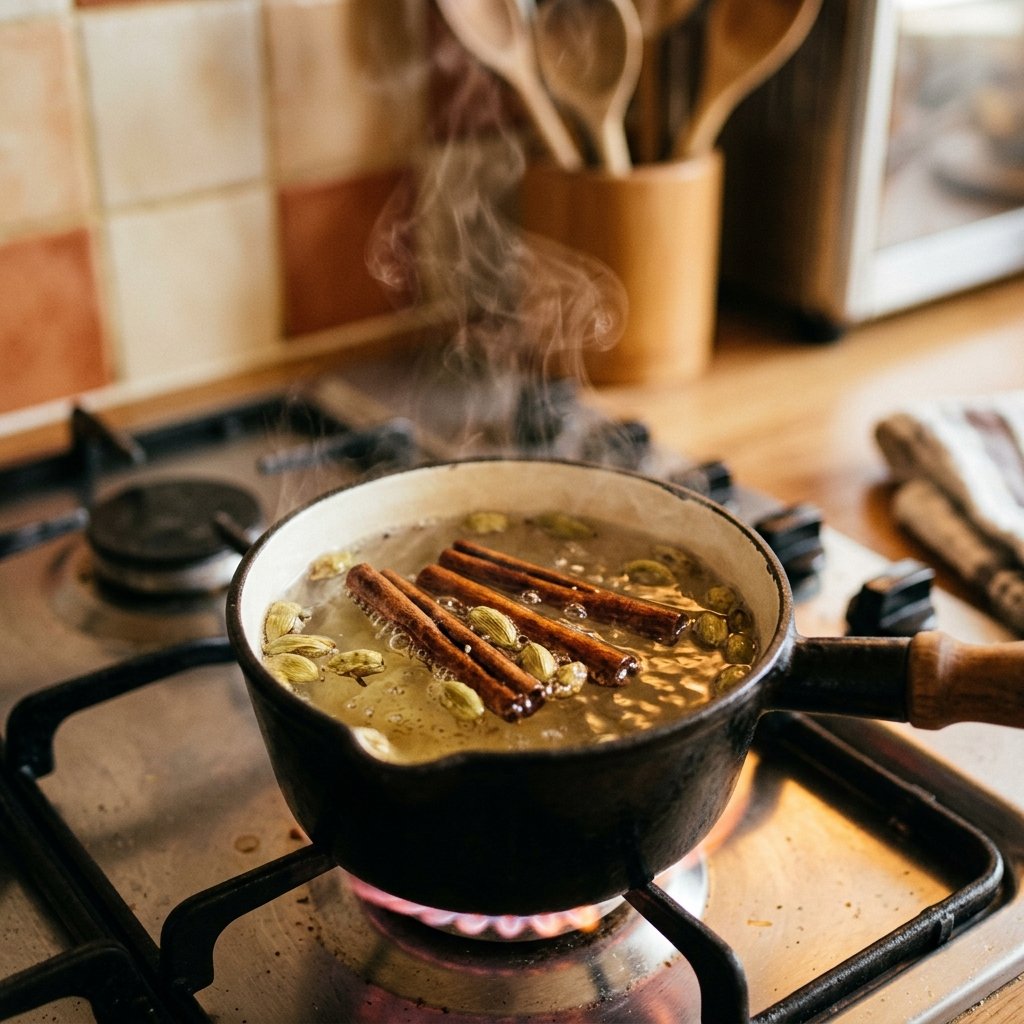
Lightly crush the cardamom pods and cinnamon stick using a mortar and pestle, or the flat side of a knife — this cracks them open just enough to release their oils without pulverizing them. Slice or roughly crush your almonds and set them aside. Having everything measured and ready before you start heating water matters here, because the timing in the next steps is unforgiving.
Step 2: Bloom the spices in boiling water
Bring your water to a boil in a small saucepan over medium-high heat. Once boiling, reduce to low and add the cinnamon, cardamom, and cloves, along with the dried rose petals if using. Let this simmer gently for 3–4 minutes. This step is what actually builds Kahwa's aromatic base — the spices need real simmer time to release their oils into the water, unlike the tea leaves, which need almost the opposite treatment.
Step 3: Add saffron
Add your saffron strands directly to the simmering spice water, or bloom them separately in a tablespoon of warm water first for a slightly more even color distribution — both approaches work, and the difference is subtle. Let everything simmer together for another minute.
Step 4: Turn off the heat before adding tea
This is the step that determines whether your Kahwa turns out bitter or not. Turn off the heat completely, then add your green tea leaves. Stir gently and let the tea steep in the residual heat for 30 seconds to 2 minutes — no longer. Green tea is delicate, and steeping it directly in actively boiling water, or leaving it in for much longer than this, is almost always what produces that harsh, bitter cup people associate with a failed homemade attempt. If you're using a stronger black-leaf green tea rather than a delicate Kashmiri variety, lean toward the shorter end of that range.
Step 5: Strain and sweeten
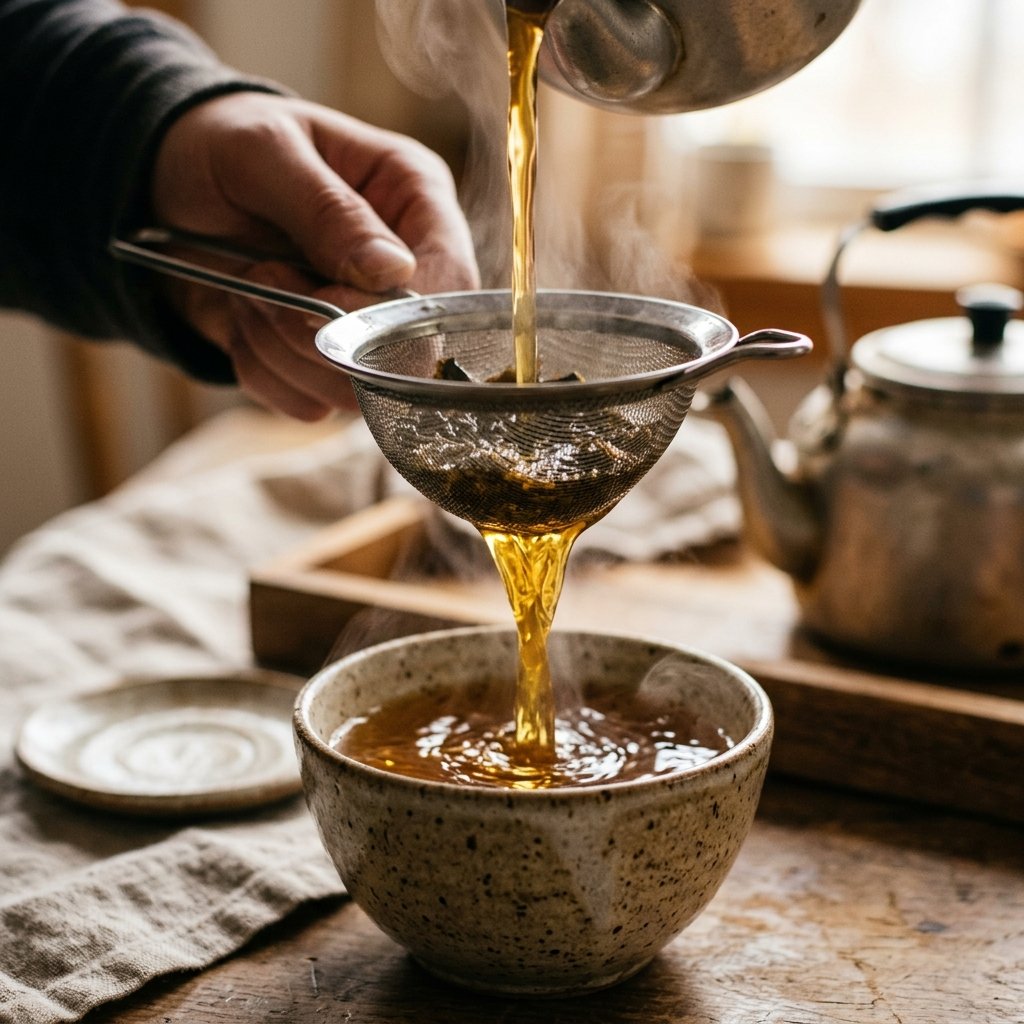
Strain the tea through a fine mesh strainer into your serving cups, removing all the whole spices and tea leaves. Stir in sugar or honey to taste while the tea is still hot, so it dissolves fully.
Step 6: Garnish and serve
Top each cup with a few slivers of almond and, if you like a stronger visual and aromatic finish, one or two extra saffron strands floated on top just before serving. Serve immediately while hot — Kahwa is meant to be sipped slowly (offering many health benefits of kahwa), not left to sit and cool.
Common Mistakes That Ruin Kahwa (And How to Avoid Them)
- Boiling the tea leaves. This is the single most common mistake. Green tea leaves should never sit in actively boiling water — always add them off the heat, or at the very least on the lowest possible simmer.
- Over-steeping. Even off the heat, leaving tea leaves in for 5+ minutes will extract too much tannin and turn the cup bitter and astringent.
- Under-simmering the spices. Rushing the spice simmer (under 2 minutes) leaves you with a weak, flat-tasting base with barely any of the cinnamon-cardamom aroma Kahwa is known for.
- Adding saffron too early and boiling it hard. Saffron's aroma compounds are delicate; a long, hard boil dulls both its color and scent. A brief simmer is enough.
- Skipping the strain. Serving Kahwa with loose tea leaves and spice fragments floating in it isn't traditional — it's just unstrained tea. Always strain for that clean, smooth texture.
- Using low-quality or stale green tea. Green tea loses its delicate flavor faster than black tea. If your tea has been sitting open for over a year, it's likely contributing to a flat or dull-tasting cup regardless of technique.
Customizing Your Kahwa
Once you've got the base technique down, Kahwa is genuinely easy to adjust to taste:
- Sweetener: Honey gives a softer, rounder sweetness than sugar, though some traditional Ayurvedic guidance suggests avoiding honey in very hot liquid — if this matters to you, let the tea cool slightly before stirring in honey, or use jaggery or brown sugar as an alternative.
- Extra saffron: For a richer color, aroma, and slightly deeper flavor, simply add 2–3 additional strands — saffron is the one ingredient in Kahwa that's genuinely hard to overdo within reason.
- Nuts: Walnuts can substitute for almonds if that's what you have on hand, giving a slightly earthier note.
- Rose petals: Entirely optional — some people find the floral note too strong. Leave them out if you're new to Kahwa and want to taste the core spice-and-saffron profile first.
- Iced kahwa: Brew as normal, let it cool to room temperature, then refrigerate and serve over ice for a warm-weather variation — increasingly popular outside Kashmir's traditionally cold-season drinking pattern.
Why Kashmiri Kahwa Is Traditionally Brewed in a Samovar
A samovar is a metal urn, traditionally copper or brass, with a central cavity built specifically to hold burning coals. Water and ingredients sit in the surrounding chamber, kept perpetually hot by the coals at the center, with a small tap or spout for pouring — meaning a household could keep a fresh, hot supply of Kahwa ready throughout the day without repeatedly restarting the brewing process from scratch.
Beyond the practical heating function, the samovar carries real cultural weight. It's a centerpiece of Kashmiri hospitality, often brought out for guests, family gatherings, and after a Wazwan (the elaborate multi-course Kashmiri feast), where Kahwa is traditionally served as a palate-cleansing, digestive close to the meal. You absolutely don't need one to make excellent Kahwa at home — a stovetop pan does the job — but understanding the samovar's role explains why Kahwa carries such strong associations with warmth, welcome, and slow hospitality in Kashmiri culture.
Health Benefits of Kashmiri Kahwa
Kahwa's benefits come largely from its individual ingredients working together rather than any single "magic" component.
- Green tea base: Provides antioxidants called catechins, along with a modest, gentler caffeine content than coffee or black tea — enough for a mild lift without the jitteriness some people get from stronger caffeinated drinks.
- Saffron: Contributes mood-supporting and antioxidant compounds (crocin, safranal), and is traditionally credited with helping the body's resistance to cold-weather illness during Kashmir's harsh winters.
- Cinnamon and cardamom: Both have traditional use for digestive support, and cinnamon specifically has been studied for its potential role in supporting healthy blood sugar response, though typical Kahwa quantities are more about flavor than a therapeutic dose.
- Cloves: Contain eugenol, a compound studied for antioxidant and mild anti-inflammatory properties.
Overall: Kahwa is commonly described in Kashmiri households as a remedy for cold symptoms, an aid for an upset stomach, and a general stress-reducing ritual — largely traditional use rather than something backed by dedicated clinical trials on the finished beverage itself, but each individual ingredient does carry its own supporting research.
How to Store Your Kahwa Ingredients
- Green tea leaves: Store in an airtight container away from light, heat, and moisture. Properly stored, green tea keeps its flavor for up to a year, though it's best used within 6 months for peak freshness.
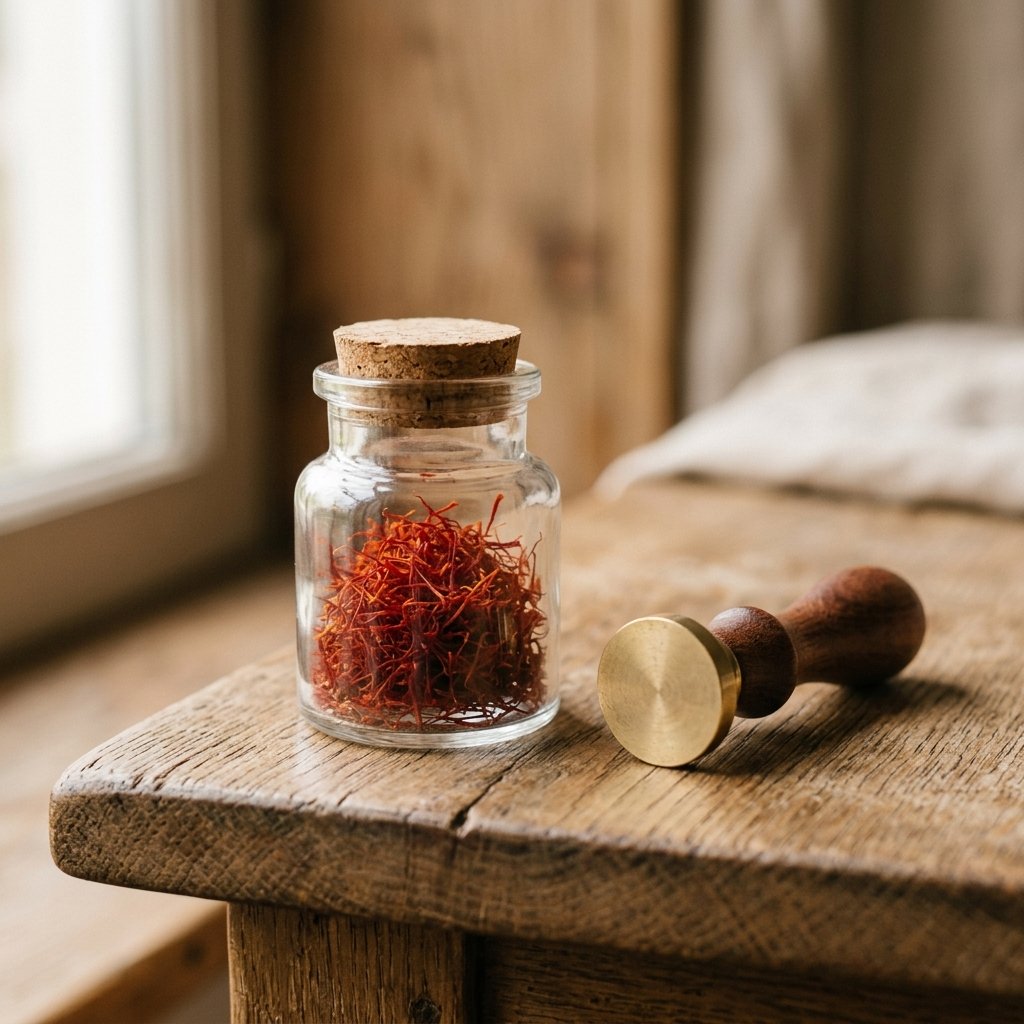
- Saffron: Store separately in an opaque, airtight container at room temperature — see our full Kashmiri saffron storage guide for detail, since saffron is the most delicate and expensive ingredient in the mix and deserves its own careful handling.
- Whole spices: Cinnamon sticks, cardamom pods, and cloves all keep well for a year or more in a sealed container, away from direct sunlight. Buying whole spices rather than pre-ground versions and crushing them fresh each time you brew noticeably improves the final aroma.
Frequently Asked Questions
What is Kashmiri Kahwa made of?
Kashmiri Kahwa is made with green tea leaves, saffron strands, cinnamon, cardamom, cloves, and often dried rose petals and slivered almonds, brewed together in water without any milk.
Is Kashmiri Kahwa the same as chai?
No. Regular Indian chai is typically brewed with milk and black tea, while Kahwa is a light, clear, milk-free green tea infused with warm spices and saffron.
Do I need a samovar to make Kahwa?
No. While samovars are traditional and culturally significant, an ordinary stovetop saucepan and a fine strainer work perfectly well for brewing excellent Kahwa at home.
Why does my homemade Kahwa taste bitter?
Bitterness almost always comes from steeping the green tea leaves too long, or adding them to water that's still actively boiling. Turn off the heat before adding tea, and steep for no more than 30 seconds to 2 minutes.
How long should I steep the tea leaves in Kahwa?
Between 30 seconds and 2 minutes, off the heat. Longer steeping extracts excess tannins and produces a harsh, bitter cup.
Can I make Kahwa without saffron?
You can, though saffron is one of Kahwa's defining ingredients, contributing its signature golden color and floral aroma. Without it, you'll still get a pleasant spiced green tea, but it won't have the full traditional Kahwa character.
Is Kashmiri Kahwa good for weight loss?
Kahwa's green tea base contains antioxidants and a modest amount of caffeine that are sometimes associated with a mild metabolic boost, but Kahwa itself shouldn't be treated as a weight-loss remedy — it's more accurately a low-calorie, antioxidant-rich beverage that can fit into a healthy routine.
What's the difference between Kahwa and noon chai?
Kahwa is a light, clear, mildly sweet green tea with spices and saffron, served without milk. Noon chai (also called pink tea) is a completely different Kashmiri drink made with milk, baking soda, and salt, giving it a distinctive pink color and savory taste.
Can I drink Kahwa every day?
Yes, for most healthy adults, a cup or two of Kahwa daily is a traditional part of Kashmiri households' routine. Its caffeine content is generally gentler than coffee, though anyone sensitive to caffeine should monitor total daily intake across all sources.
What kind of green tea is best for Kahwa?
Kashmiri green tea is traditionally preferred for its mild, less astringent flavor, but any mild-quality green tea works well as a substitute if Kashmiri green tea isn't available locally.
Can I add milk to Kahwa?
Traditionally, no — milk-free is part of what defines Kahwa and distinguishes it from regular chai. Adding milk changes the drink into something closer to a spiced milk tea rather than authentic Kahwa.
How do I make iced Kahwa?
Brew Kahwa as usual, let it cool to room temperature, refrigerate until chilled, then serve over ice. It's a less traditional but increasingly popular warm-weather variation.
Can children drink Kahwa?
Kahwa contains caffeine from green tea, so it's generally not recommended for young children in the same way coffee or black tea wouldn't be. Older children can typically have a small, well-diluted amount occasionally, but check with a pediatrician if you have concerns.
What's the best sweetener for Kahwa: sugar or honey?
Both work well and it largely comes down to preference. Honey gives a softer sweetness, though some traditional guidance suggests stirring it in once the tea has cooled slightly rather than adding it to very hot liquid.
How much saffron should I use per cup of Kahwa?
Roughly 2–3 saffron strands per cup is standard, with some people adding 1–2 extra strands as a garnish on top just before serving for a stronger color and aroma.
Explore More Himalayan Superfoods: Pair your wellness routine with lab-tested pure Himalayan Shilajit sourced directly from high-altitude rock faces.