If you've shopped for Kashmiri saffron online, you've probably seen sellers mention a "GI tag" somewhere in their product description, often without much explanation of what it actually means. It's not just marketing language — it's a real legal certification, and understanding it can genuinely help you avoid overpaying for saffron that isn't what it claims to be.
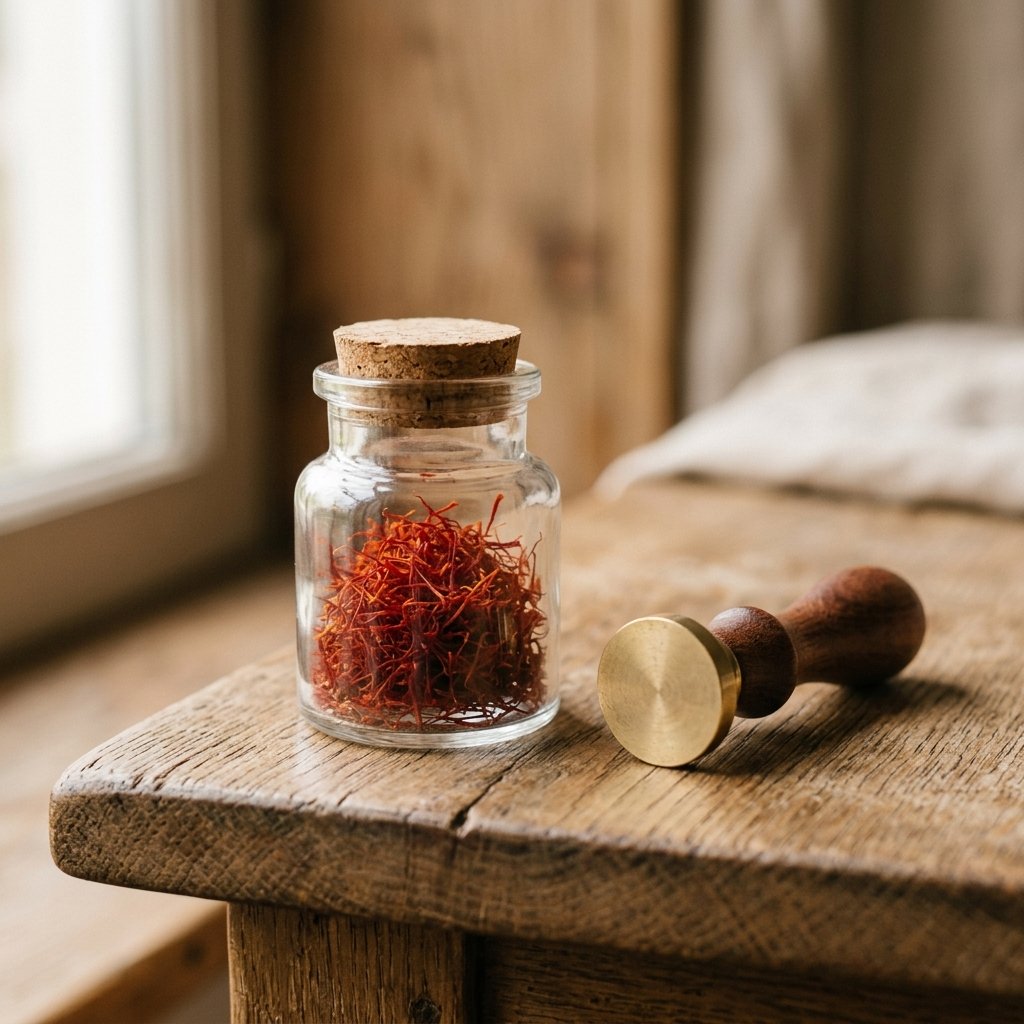
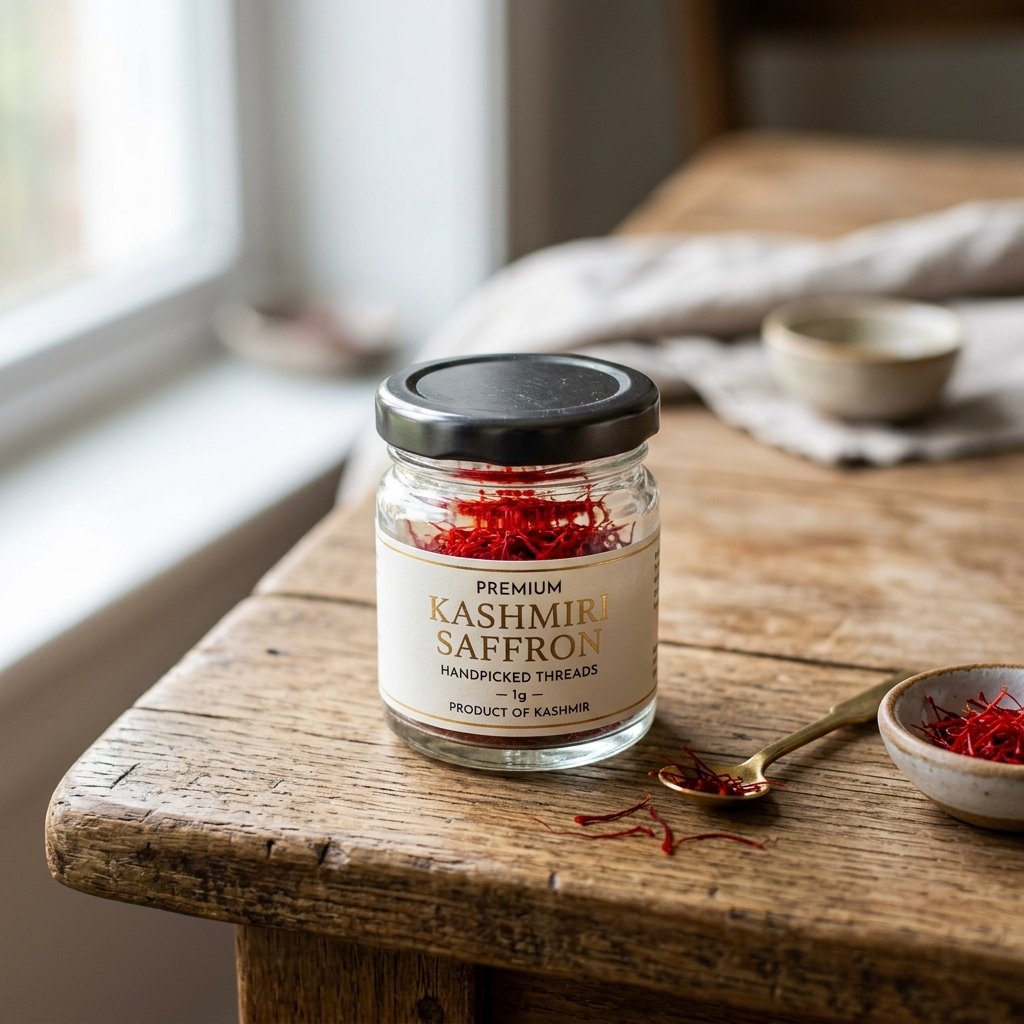
Since 2020, genuine Kashmiri saffron has carried Geographical Indication certification.
What Is a Geographical Indication (GI) Tag?
A Geographical Indication tag is a form of legal protection granted to products that come from a specific geographic region and possess qualities, reputation, or characteristics essentially attributable to that origin. It works on the same principle as Champagne in France (which can only legally be called Champagne if it's from that specific region) or Darjeeling tea in India. The tag doesn't just describe where something is from — it legally restricts who can use that name for commercial sale.
When Did Kashmiri Saffron Get Its GI Tag?
Kashmiri saffron received official GI certification in 2020 from the Geographical Indications Registry under India's Ministry of Commerce and Industry. This made "Kashmir saffron" a legally protected term — meaning saffron that isn't actually grown in the designated Kashmir Valley region cannot legitimately be sold under that name in markets where the certification is recognized and enforced.
Why Was the GI Tag Introduced?
The primary driver was addressing large-scale adulteration and mislabeling in the saffron trade. For years, saffron grown elsewhere — or heavily diluted, low-grade product — was being sold under the "Kashmiri saffron" name to capitalize on its premium reputation, undercutting genuine growers and damaging consumer trust in the category as a whole. The GI tag was designed to protect both farmers in the Pampore, Pulwama, and Budgam regions, whose livelihoods depend on saffron cultivation, and consumers trying to buy the real thing.
What the GI Tag Actually Certifies
Specifically, the GI designation for Kashmir saffron references several defining characteristics that separate it from saffron grown elsewhere:
- Altitude: Grown exclusively between 1,600 and 1,800 meters above sea level — the only saffron in the world cultivated at this specific elevation range.
- Soil type: Cultivated in karewa (highland clay-loam) soil unique to the Kashmir Valley.
- Physical characteristics: Longer, thicker stigmas with a naturally deep red color compared to many other origins.
- Chemical profile: Notably higher concentrations of crocin (color strength), safranal (aroma), and picrocrocin (flavor/bitterness) than much of the globally traded saffron supply.
- Processing: Traditional, chemical-free hand processing methods specific to the region.
How the GI Tag Helps Buyers
The GI tag gives you an actual, legally grounded standard to check a seller's claims against — something more concrete than just trusting marketing copy. If a seller is transparent about GI certification and can speak to which specific region their saffron comes from (Pampore is the best-known "Saffron Town," though Pulwama and Budgam also produce), that's a genuinely useful trust signal. Combined with home authenticity tests like the water-release test, it gives you two independent ways to evaluate a purchase rather than relying on either alone.
What the GI Tag Doesn't Guarantee
It's worth being realistic about the limits here. A GI tag certifies origin and traditional characteristics at a regulatory level — it doesn't automatically mean every individual jar you buy online has been verified strand-by-strand, and enforcement varies by marketplace and region. Some sellers may reference the GI tag loosely without full compliance, so it's best treated as one strong piece of evidence in a broader authenticity check, not a substitute for basic due diligence like checking price, texture, and how the saffron behaves in water.
The Bigger Picture: Why This Matters for the Industry
Beyond individual purchases, the GI tag has broader significance for saffron-growing communities in Kashmir. Genuine, verifiable certification helps these products gain more prominence and trust in export markets, supporting farmers who've cultivated saffron on the same karewa fields for generations against being undercut by cheaper, mislabeled competition. For consumers, a healthier, more trustworthy market ultimately means more consistent access to the real product. You can buy pure Kashmiri saffron online from a trusted source.
Frequently Asked Questions
What does GI tag mean for saffron?
It's a legal certification confirming that the saffron was grown in a specific designated region — in this case, the Kashmir Valley — and possesses characteristics attributable to that origin, similar to protections for products like Champagne or Darjeeling tea.
When did Kashmiri saffron receive its GI tag?
Kashmiri saffron was granted Geographical Indication certification in 2020 by India's Geographical Indications Registry.
Does a GI tag guarantee my saffron is 100% authentic?
It's strong supporting evidence but not an individual-batch guarantee. It's best combined with other authenticity checks, like the water-release test and price comparison, for individual purchases.
Why was the GI tag introduced for Kashmiri saffron?
Primarily to address widespread adulteration and mislabeling in the saffron trade, protecting both genuine Kashmiri growers and consumers trying to buy authentic product.
What altitude is Kashmiri saffron grown at?
Between 1,600 and 1,800 meters above sea level — the only saffron in the world grown specifically within this elevation range, according to the GI certification.
Can saffron grown outside Kashmir legally be called "Kashmiri saffron"?
No, not in markets where the GI certification is recognized and enforced. The tag legally restricts use of the name to saffron actually grown in the designated Kashmir region.
How can I check if a seller's GI tag claim is legitimate?
Look for sellers who can specify the exact growing region (such as Pampore, Pulwama, or Budgam) and combine this with independent home authenticity tests rather than relying on the GI claim alone.
Explore More Himalayan Superfoods: Pair your wellness routine with lab-tested pure Himalayan Shilajit sourced directly from high-altitude rock faces.