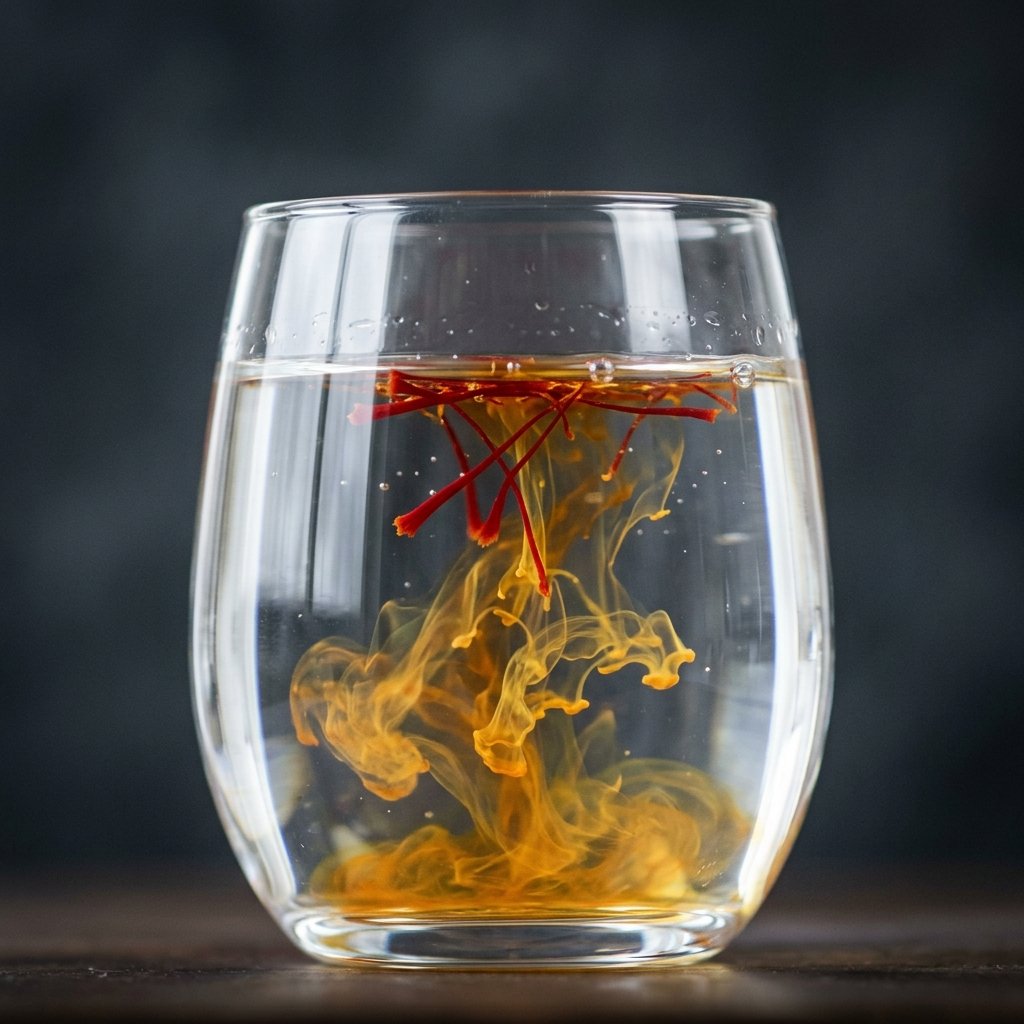
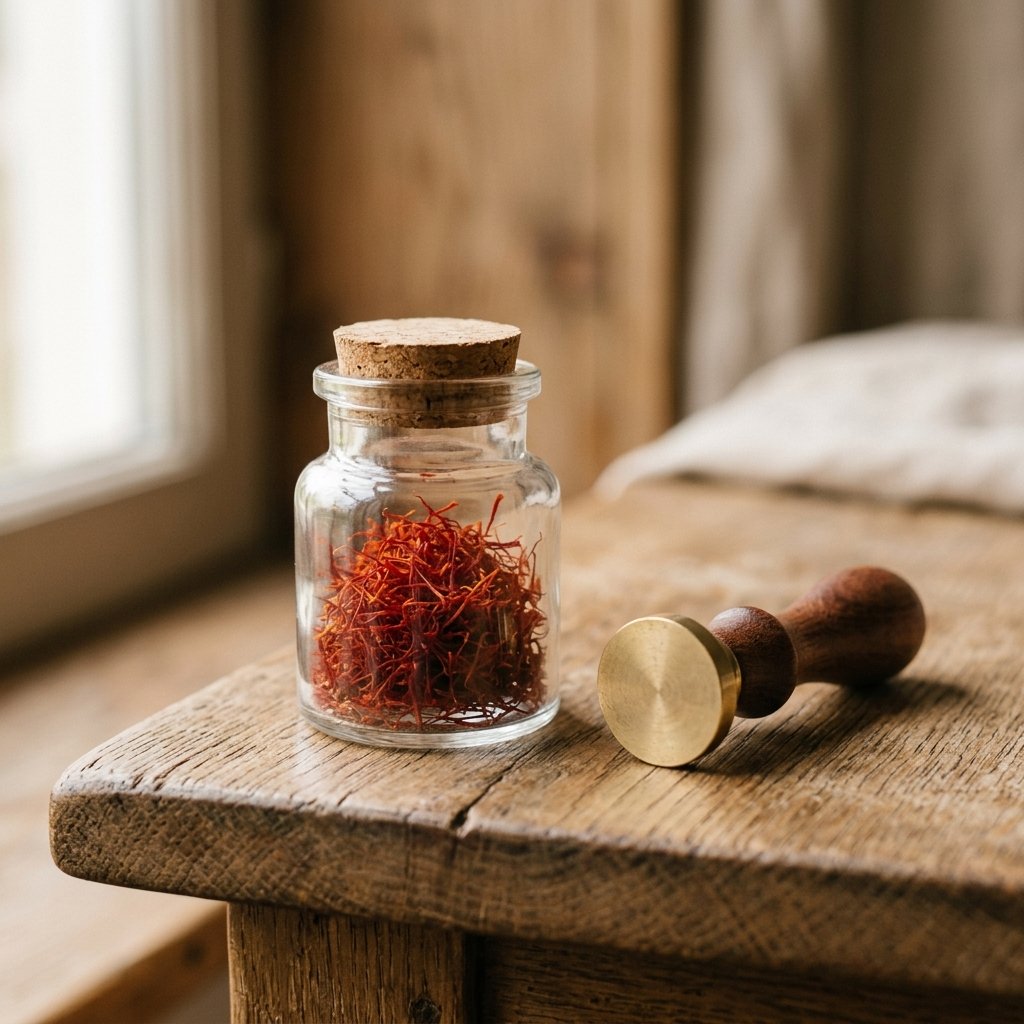
Kesar face masks have been part of South Asian beauty routines for generations, long before "brightening serum" became a marketing category. The appeal isn't just tradition — saffron's concentrated antioxidant compounds give it a genuine, if modest, mechanistic reason to show up in skincare, and Kashmiri saffron specifically, with its higher crocin content compared to saffron from many other regions, is often the preferred choice for this exact use.
This guide covers why saffron is used on skin, four simple DIY masks you can make at home, how often to use them, and what to expect realistically in terms of timeline.
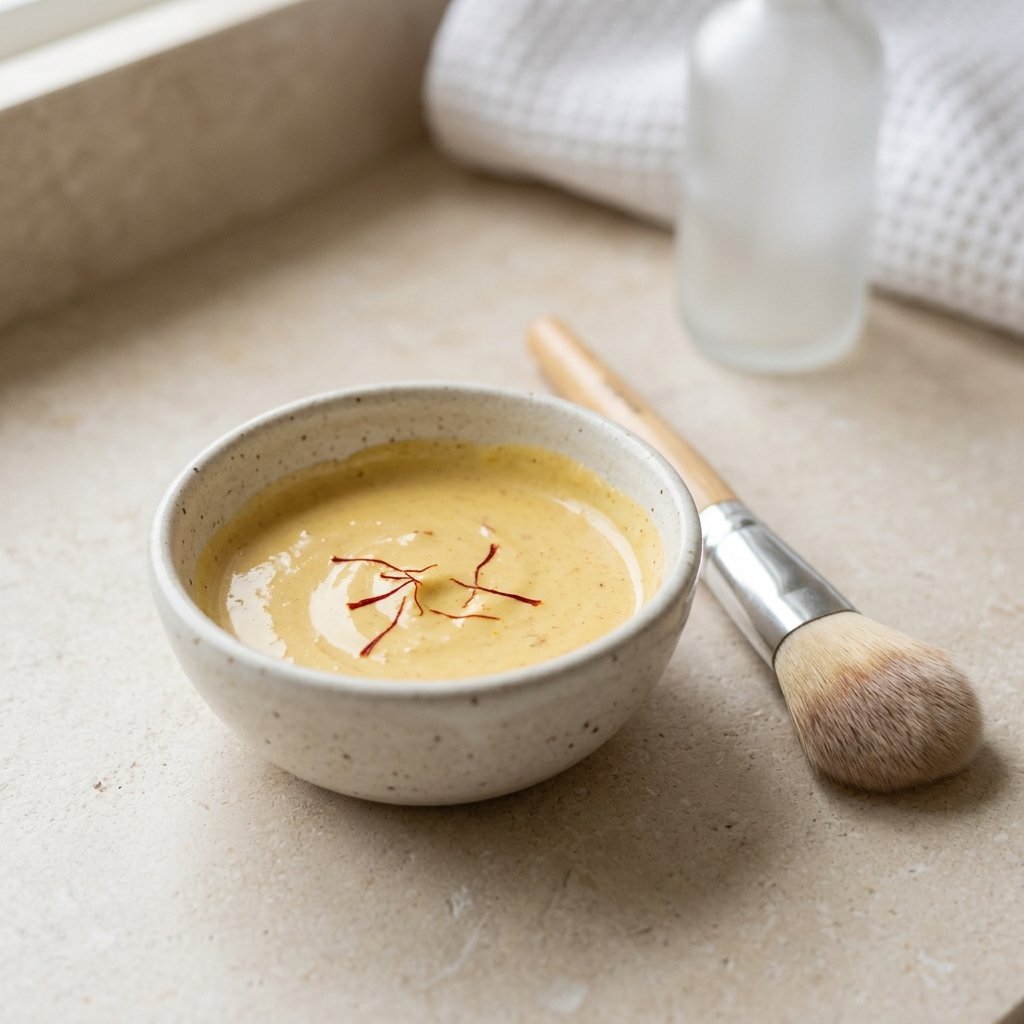
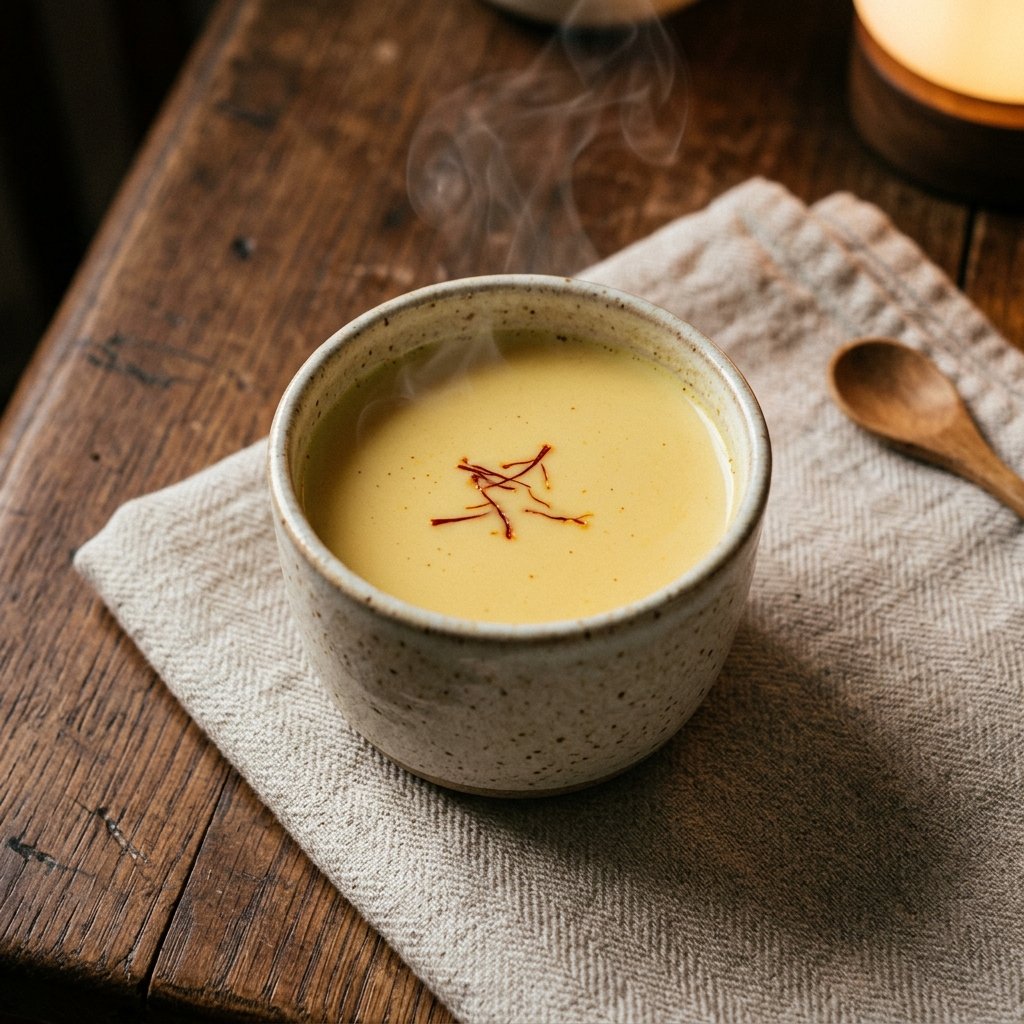
A simple saffron and milk mask is one of the easiest ways to use kesar in a skincare routine.
Why Saffron Is Used for Skin
Saffron's key compounds — crocin, crocetin, and safranal — are potent antioxidants, meaning they help neutralize free radicals that contribute to oxidative stress in skin cells. Over time, this kind of oxidative damage is associated with a dull, uneven complexion and the gradual appearance of fine lines and hyperpigmentation. Applied topically and consistently, saffron's antioxidant load is thought to help support a more even skin tone and a brighter overall appearance.
Before You Start: Patch Test First
Saffron is generally well tolerated on skin, but any new ingredient — especially one this concentrated — deserves a patch test. Apply a small amount of your diluted saffron mixture to the inside of your forearm and wait 24 hours before using it on your face, particularly if you have sensitive or reactive skin.
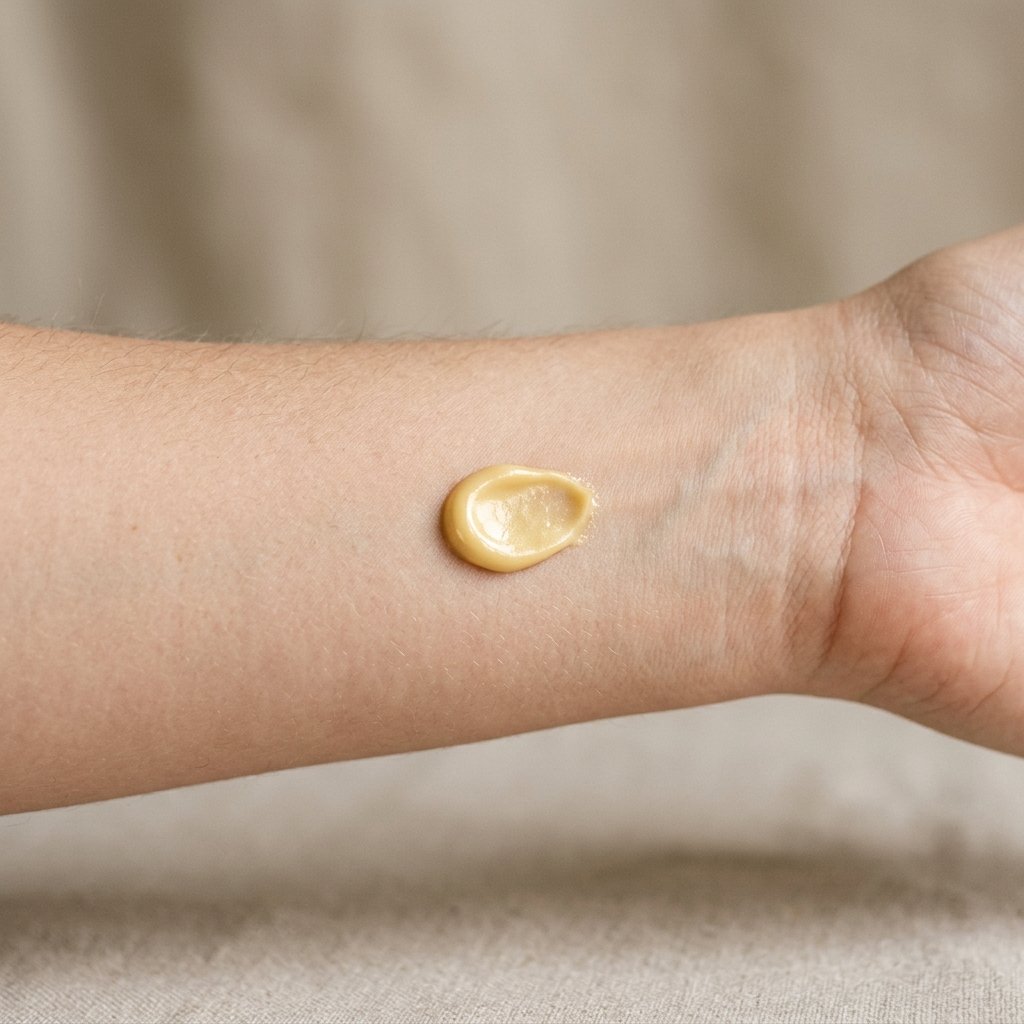
Always patch test a new saffron mask on your forearm 24 hours before applying it to your face.
4 Simple Kashmiri Saffron Face Masks
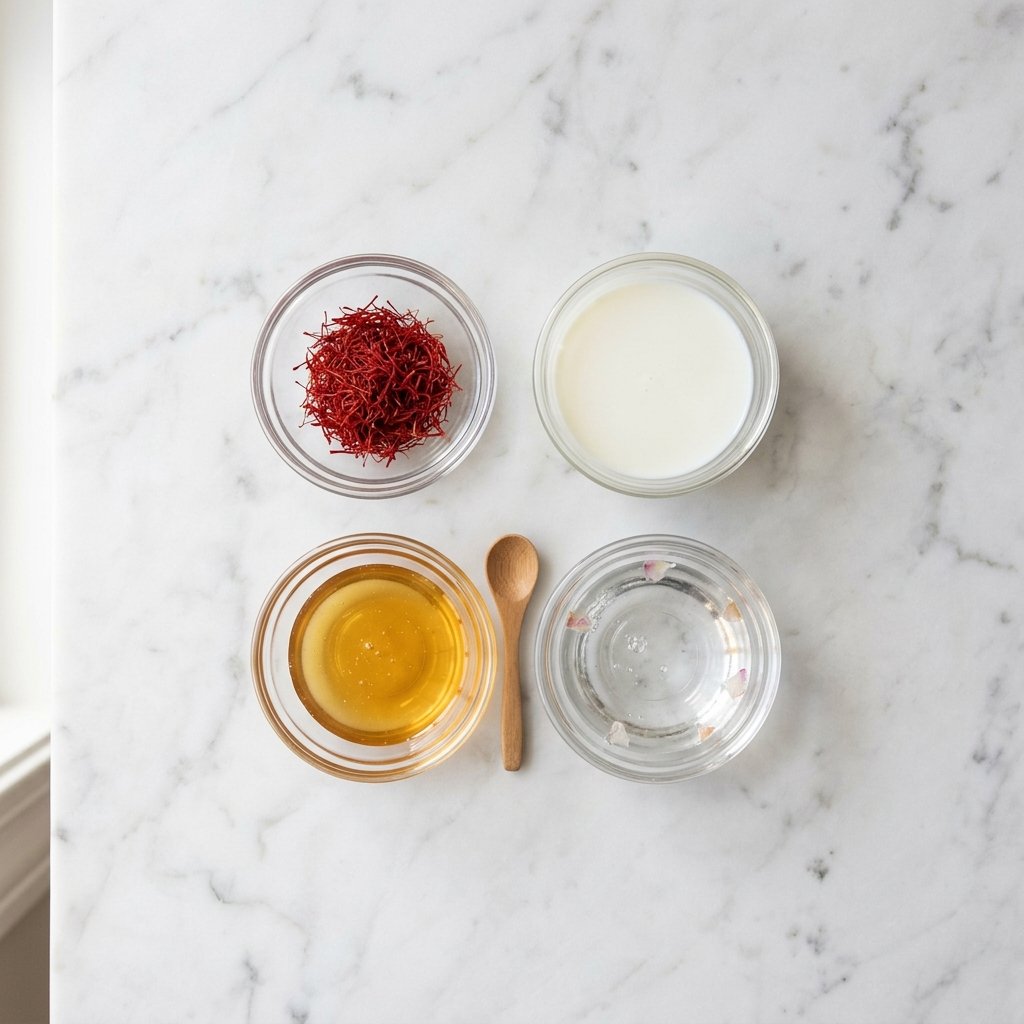
Saffron pairs well with milk, honey, yogurt, or rose water for different skin types.
1. Classic Saffron and Milk Mask
The simplest starting point. Soak 4–5 saffron strands in 1 tablespoon of raw milk for 15–20 minutes, until the milk turns golden. Apply with a cotton pad or clean fingers, leave on for 15 minutes, then rinse with lukewarm water. Milk's lactic acid offers gentle exfoliation alongside saffron's brightening effect.
2. Saffron and Honey Mask
Soak the same amount of saffron in 1 tablespoon of raw honey for 15 minutes. Honey is naturally humectant and mildly antibacterial, making this combination a good option for those who want a more hydrating, soothing version of the mask. Apply for 15–20 minutes and rinse.
3. Saffron, Yogurt, and Turmeric Mask
Mix soaked saffron threads with 1 tablespoon plain yogurt and a small pinch of turmeric. This combination leans into brightening more heavily — turmeric has its own long history in South Asian skincare — but note that turmeric can temporarily stain lighter skin tones yellow, so this version is best used the evening before a day you don't mind a subtle tint.
4. Saffron and Rose Water Toner-Mask
For a lighter, less occlusive option, soak saffron strands directly in rose water for 20 minutes, then apply with a cotton pad as a leave-on toner rather than a rinse-off mask. This version suits oilier or acne-prone skin better than the milk or honey-based masks, since it's lighter and doesn't add extra richness to the skin.
How to Apply for Best Results
- Cleanse your face first so the mask can actually reach clean skin rather than sitting on top of makeup or sunscreen residue.
- Apply an even layer, avoiding the delicate eye area.
- Leave on for 15–20 minutes — longer isn't meaningfully more effective and can dry out the skin.
- Rinse with lukewarm water, then follow with your normal moisturizer.
How Often to Use a Saffron Mask
Two to three times per week is a commonly recommended frequency. Using it daily doesn't accelerate results and can increase the risk of mild irritation.
Realistic Timeline for Results
Most people report noticing visible changes — slightly brighter tone, a more even complexion — after about 4–6 weeks of consistent use, not overnight. Treat saffron masks as a supportive, gentle addition to a broader skincare routine rather than a fast fix.
Using Genuine Saffron Matters Here Too
Just as with health-focused use, skincare benefits depend on saffron's actual active compounds — crocin and crocetin specifically. Diluted or fake saffron, common enough that it's worth checking before you buy, simply won't deliver the same effect no matter how carefully you follow a mask recipe, so sourcing genuine, well-graded Kashmiri saffron is worth the extra attention if skincare is your main reason for buying it.
Frequently Asked Questions
Can I use Kashmiri saffron on my face every day?
It's generally better to limit use to 2–3 times per week rather than daily, since more frequent use doesn't speed up results and can increase the risk of mild irritation.
How long does it take to see results from a saffron face mask?
Most people notice visible changes after about 4–6 weeks of consistent use, 2–3 times weekly.
Does saffron lighten skin tone?
Saffron's antioxidant compounds may help support a more even, brighter-looking complexion over time by reducing the appearance of dullness and uneven pigmentation, though it doesn't chemically bleach or permanently lighten natural skin tone.
Is saffron safe for sensitive skin?
Generally yes, but a patch test is recommended before full facial use, and anyone with active skin conditions like eczema or rosacea should check with a dermatologist first.
Can I leave a saffron mask on overnight?
It's not generally recommended — 15 to 20 minutes is enough for the active compounds to have contact with skin.
What's the best saffron mask for oily or acne-prone skin?
The saffron and rose water toner-mask is typically the best option, since it's lighter and doesn't add the extra richness of milk or honey-based versions.
Do I need Kashmiri saffron specifically, or does any saffron work for skincare?
Kashmiri saffron's higher crocin content gives it a practical edge for skincare use specifically, since crocin is one of the main antioxidant compounds responsible for the researched brightening effect.
Explore More Himalayan Superfoods: Pair your wellness routine with lab-tested pure Himalayan Shilajit sourced directly from high-altitude rock faces.