Saffron adulteration is common enough that entire investigative pieces have been written about it, and the reason is simple economics: genuine Kashmiri saffron is one of the most expensive agricultural products in the world, and anything that expensive attracts fakes. The good news is that you don't need a lab to protect yourself — a handful of simple, reliable home tests can tell you a lot before you commit to a purchase.
This guide walks through exactly what to check, in order of usefulness, so you can evaluate saffron confidently whether you're buying online or in person.
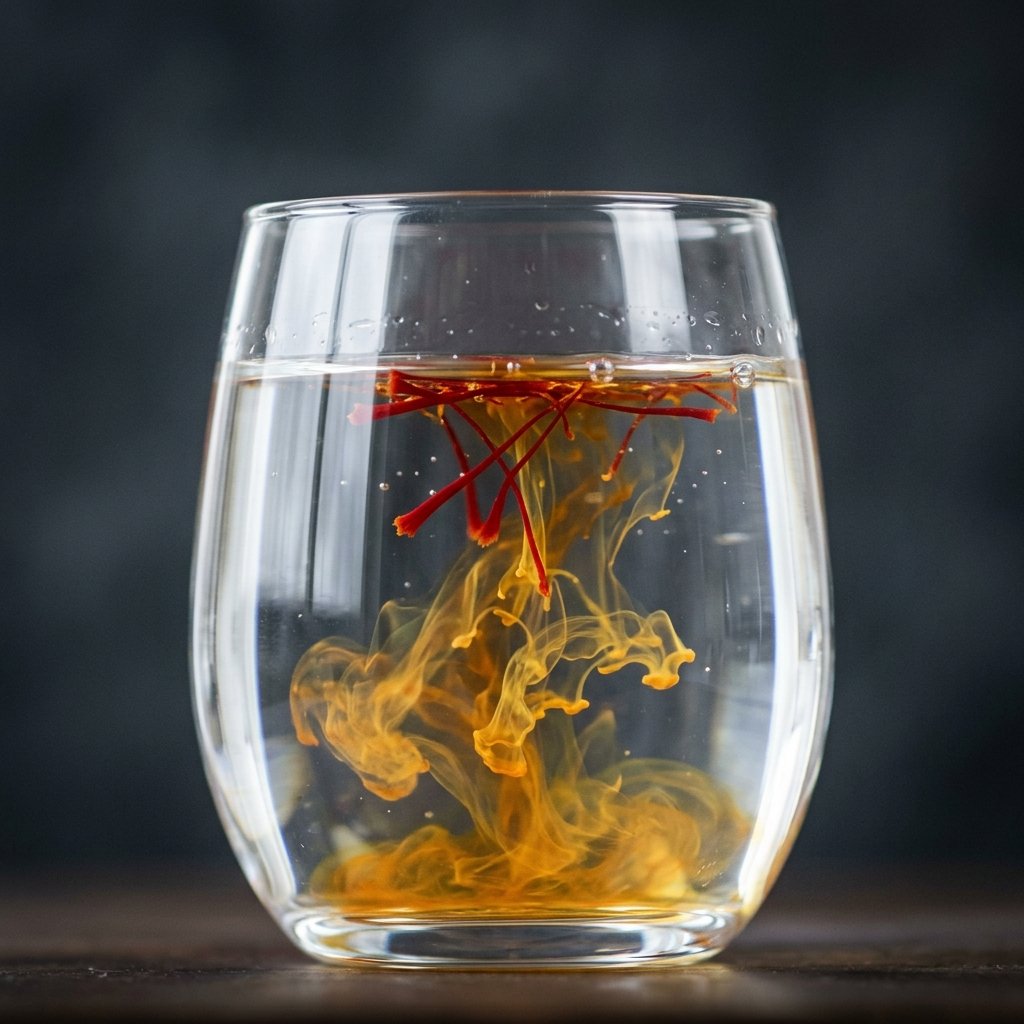
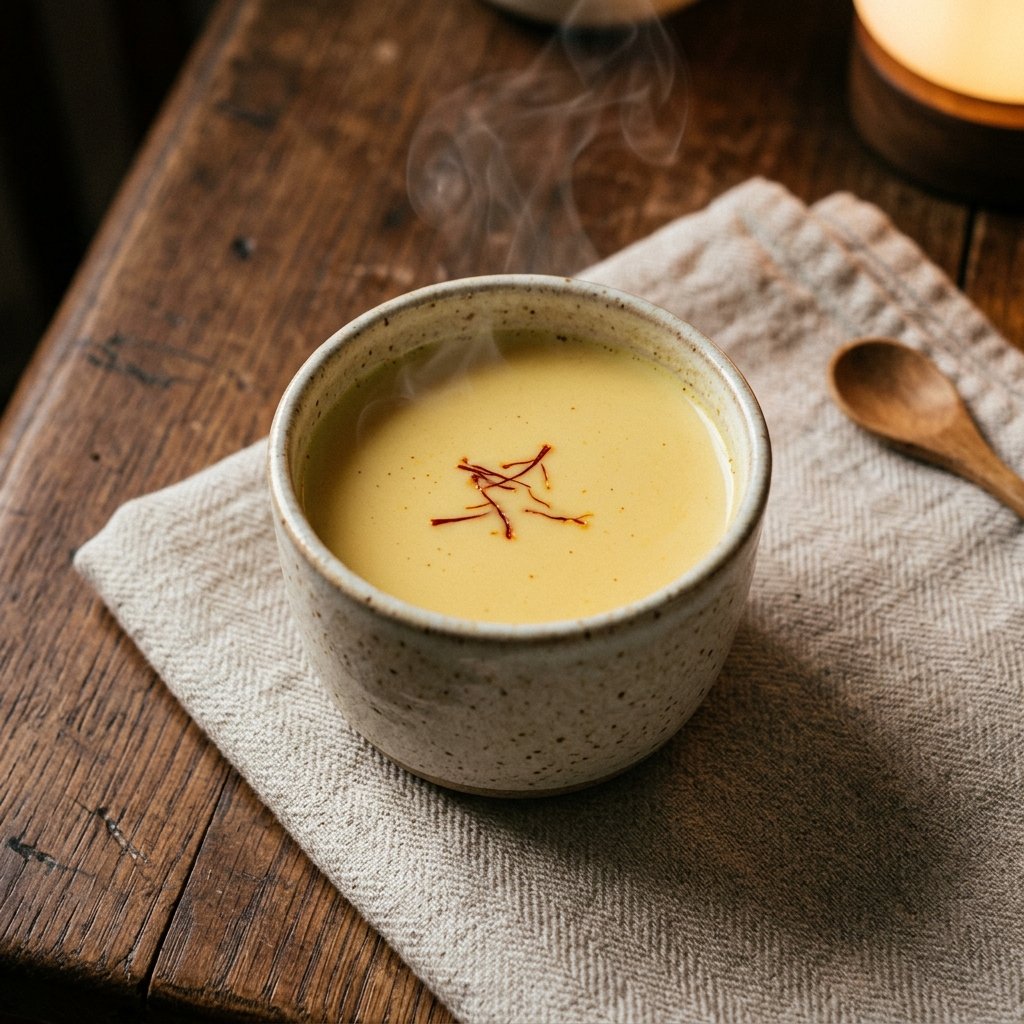
Genuine saffron releases its golden color gradually over a minute or more.
Why Saffron Gets Faked So Often
A kilogram of top-grade Kashmiri Mongra saffron can retail for the price of a small car, and it takes roughly 150,000 hand-picked flowers to produce that kilogram. That combination of high price and labor-intensive, hard-to-verify production creates exactly the conditions where adulteration thrives. Common substitutes include dyed corn silk, safflower petals (sometimes called "bastard saffron"), beet fiber, and — in cheaper operations — saffron threads bulked out with glycerin or other substances to add weight.
None of these fakes contain meaningful amounts of crocin, safranal, or picrocrocin — the compounds responsible for saffron's color, aroma, and flavor, and the same compounds behind most of its researched health benefits. So beyond the financial cost of buying fake saffron, you're also getting none of the actual functional benefit.
Test 1: The Water or Milk Release Test
This is the single most reliable at-home test. Drop 2–3 threads into a glass of lukewarm water or milk and watch closely.
Genuine saffron: Releases color gradually, taking a full minute or more to noticeably tint the liquid a soft golden-yellow.
Fake or dyed saffron: Releases color almost instantly, often turning the water a deep red or orange within seconds. If you notice this, that's a serious red flag — real saffron simply doesn't behave this way.
Test 2: The Texture Check
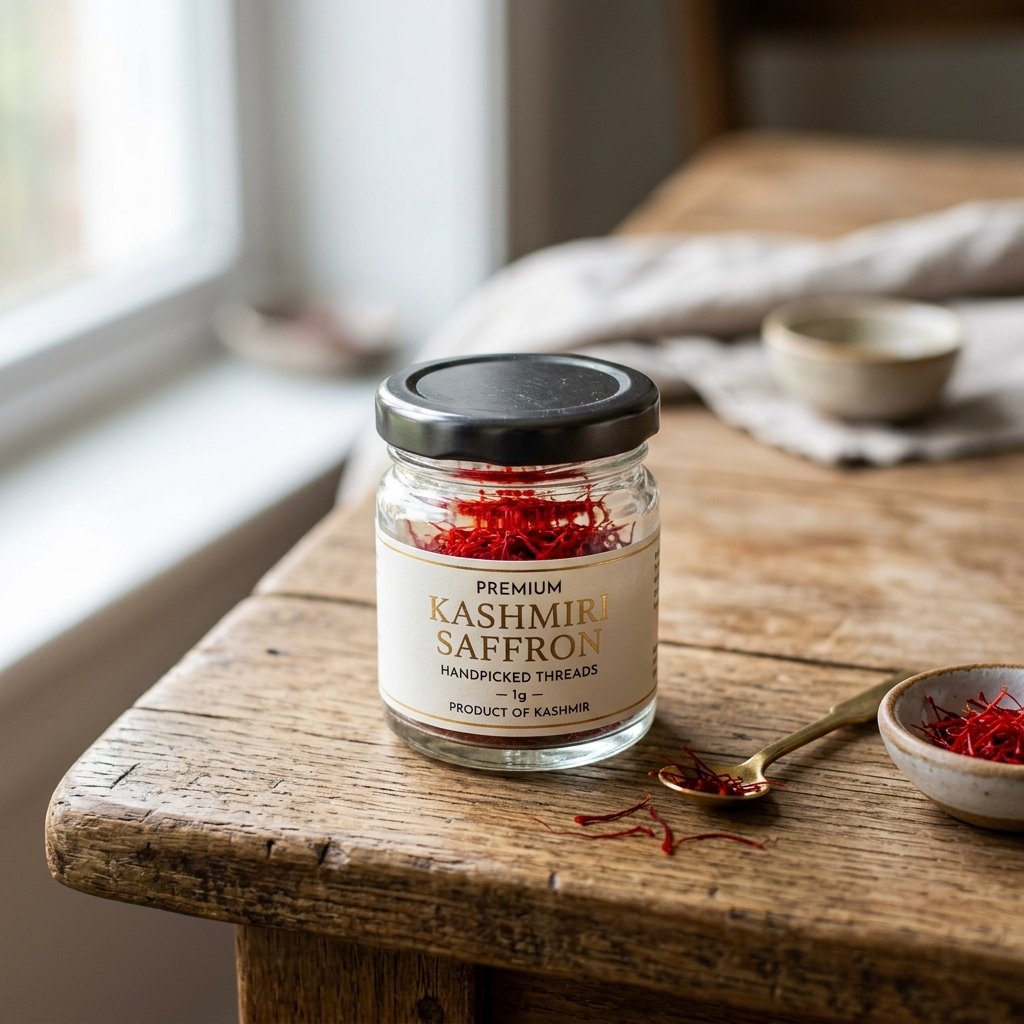
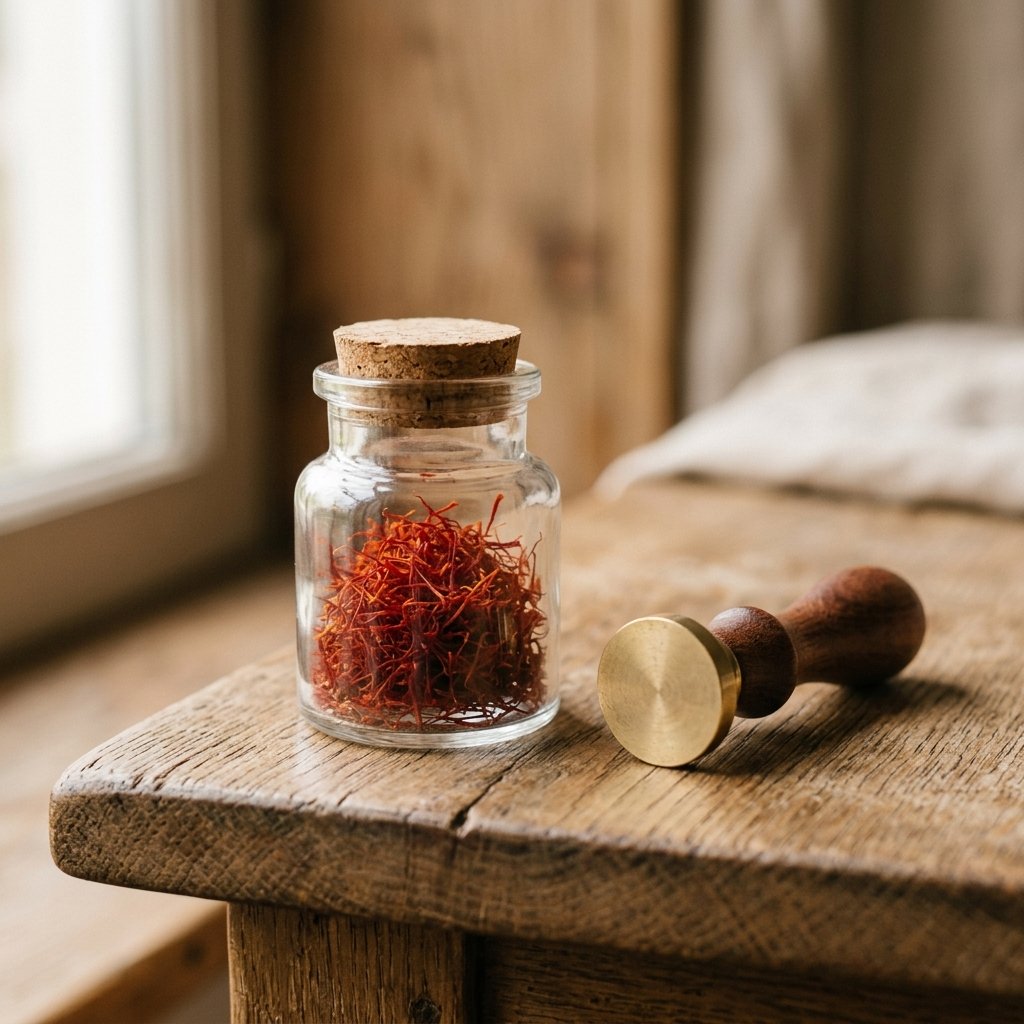
Pick up a few threads and examine them closely. Genuine saffron threads are trumpet-shaped (wider at one end, narrowing toward the other), slightly fibrous, and irregular in shape. They should feel dry but not so brittle that they crumble into dust the moment you handle them. Threads that look suspiciously uniform, perfectly straight, or waxy in texture are worth questioning.
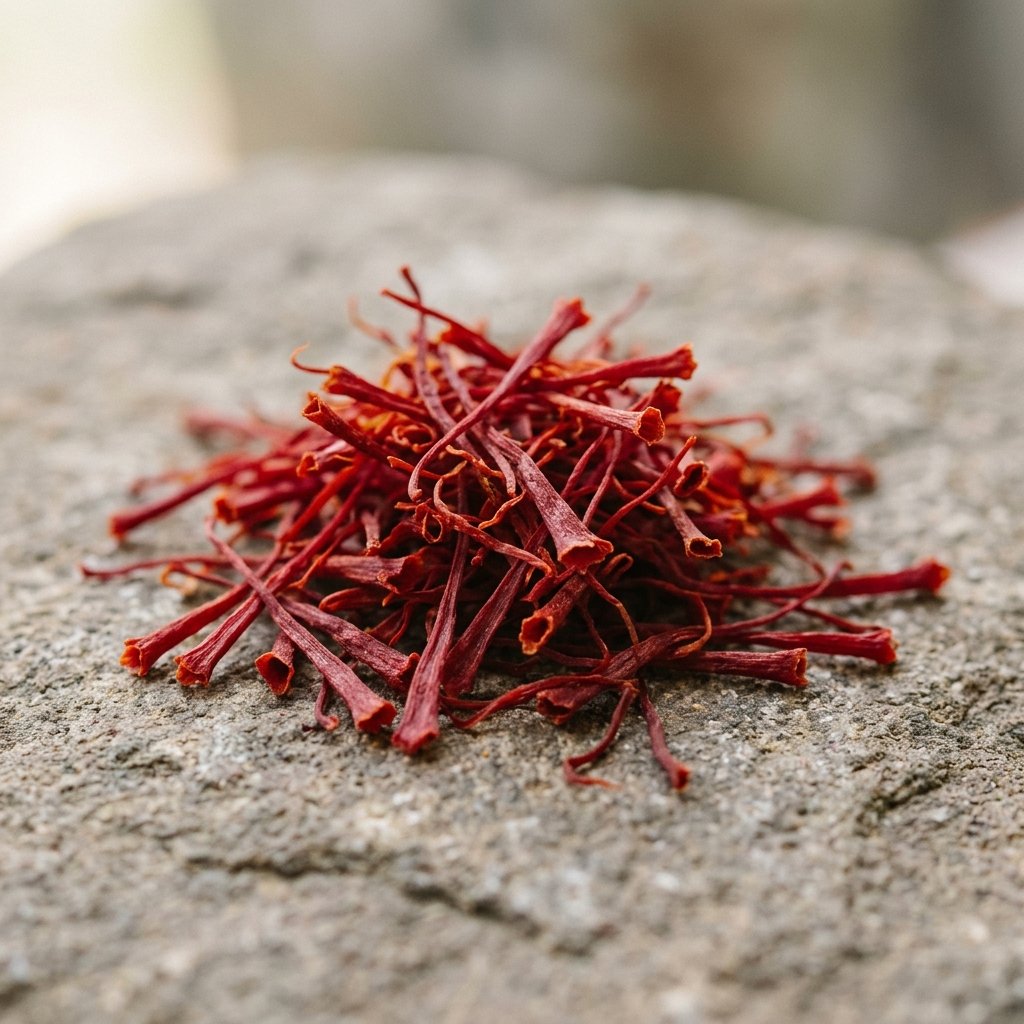
Genuine saffron threads are trumpet-shaped and irregular, unlike uniform, waxy fakes.
Test 3: The Smell Test
Genuine Kashmiri saffron has a distinct aroma — slightly sweet, hay-like, and faintly honeyed. It should never smell sharply medicinal, metallic, or like almost nothing at all. A weak or off-putting smell is often a sign of old, degraded, or non-genuine product.
Test 4: The Price Test
If a seller is offering "pure Kashmiri saffron" at a price dramatically below the typical market range, treat that as a warning sign rather than a bargain. Genuine saffron's cost is driven by real, unavoidable scarcity — there's no legitimate supply chain that allows authentic Mongra-grade saffron to sell for a fraction of standard market pricing.
Test 5: Color Consistency
Look closely at the color of the threads themselves. Genuine saffron shows natural variation — a deep, rich red at the stigma tip, sometimes fading slightly lighter toward the cut end. Threads that are uniformly, perfectly bright red from end to end, with no natural variation, can be a sign of artificial dyeing.
Test 6: Check for Origin and Certification
Reputable Kashmiri saffron sellers will be able to speak specifically to where their saffron is grown — commonly referencing Pampore, Pulwama, or Budgam — rather than offering vague claims like "sourced from the mountains." Since 2020, genuine Kashmiri saffron has also carried Geographical Indication (GI) certification, a legal protection that gives buyers an actual standard to check a seller's claims against.
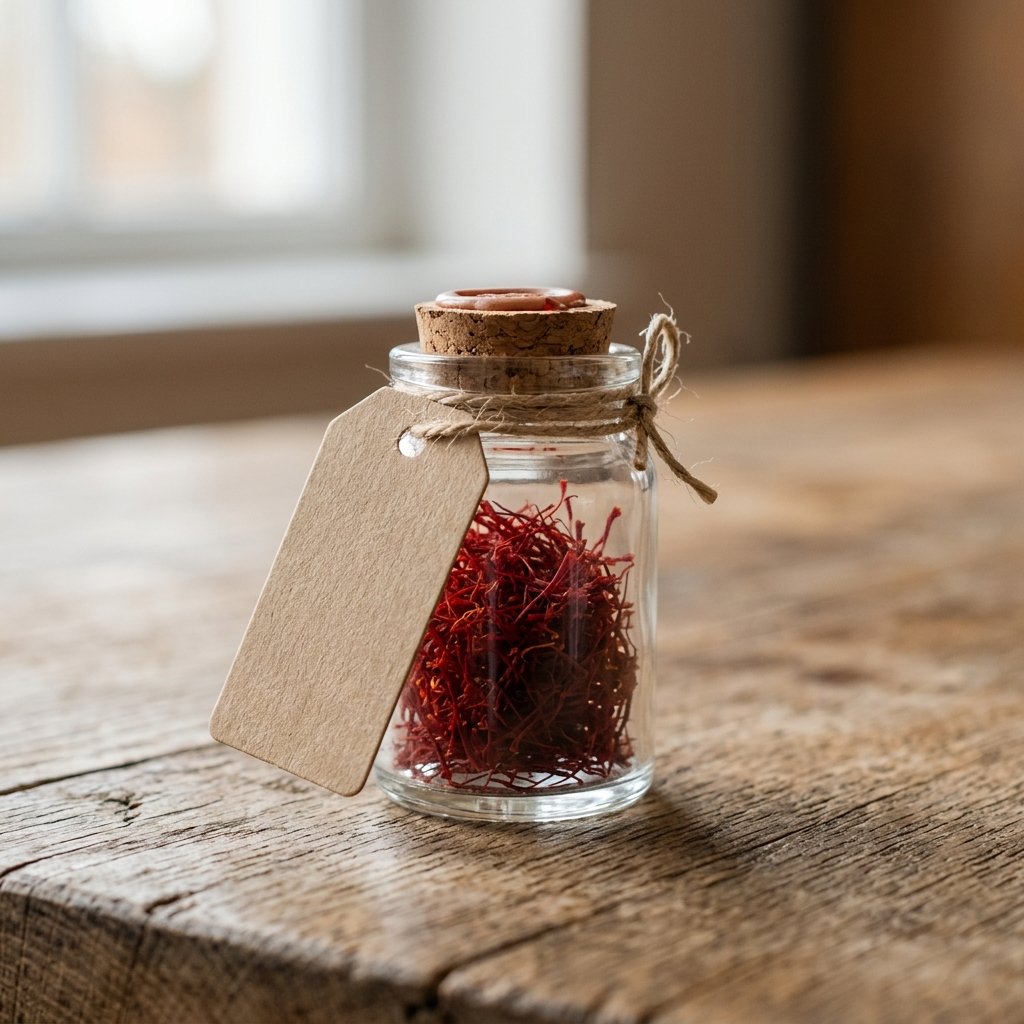
Reputable sellers can point to specific origin details and GI certification for their saffron.
What to Do If You Suspect Fake Saffron
If a purchase fails one or more of these tests, don't use it medicinally or in any dose beyond what you'd casually use in cooking, and consider requesting a refund or replacement from the seller. If you're buying saffron specifically for its researched health properties rather than flavor, sourcing from a seller who can document GI certification and origin is worth the extra diligence.
Buying With Confidence Going Forward
Once you've found a seller whose saffron passes these tests consistently, it's worth sticking with them — saffron quality can vary noticeably between suppliers even within the same broad "Kashmiri saffron" label. You can buy pure Kashmiri saffron online from a trusted source.
Frequently Asked Questions
What is the fastest way to test if saffron is real?
The water or milk release test is the quickest and most reliable — genuine saffron releases color gradually over a minute or more, while fakes release color almost instantly.
What is fake saffron usually made from?
Common substitutes include dyed corn silk, safflower petals, beet fiber, and threads artificially bulked with substances like glycerin to add weight.
Does real saffron smell strong?
Genuine saffron has a distinct, moderately sweet, hay-like, honeyed aroma. It shouldn't smell sharply medicinal, metallic, or have almost no scent at all.
Does the GI tag guarantee saffron is real?
The Geographical Indication tag certifies that saffron was grown in the designated Kashmir region, giving buyers a legitimate standard to check claims against, though it's still worth combining this with the home tests above.
Is powdered saffron easier to fake than whole threads?
Yes. Powdered saffron is significantly easier to adulterate convincingly since its texture and shape can't be visually inspected the way whole threads can.
How can I tell Mongra from Lacha saffron?
Mongra uses only the trimmed red stigma, giving a deeper, more uniform color, while Lacha retains a small portion of the attached yellow style.
Explore More Himalayan Superfoods: Pair your wellness routine with lab-tested pure Himalayan Shilajit sourced directly from high-altitude rock faces.