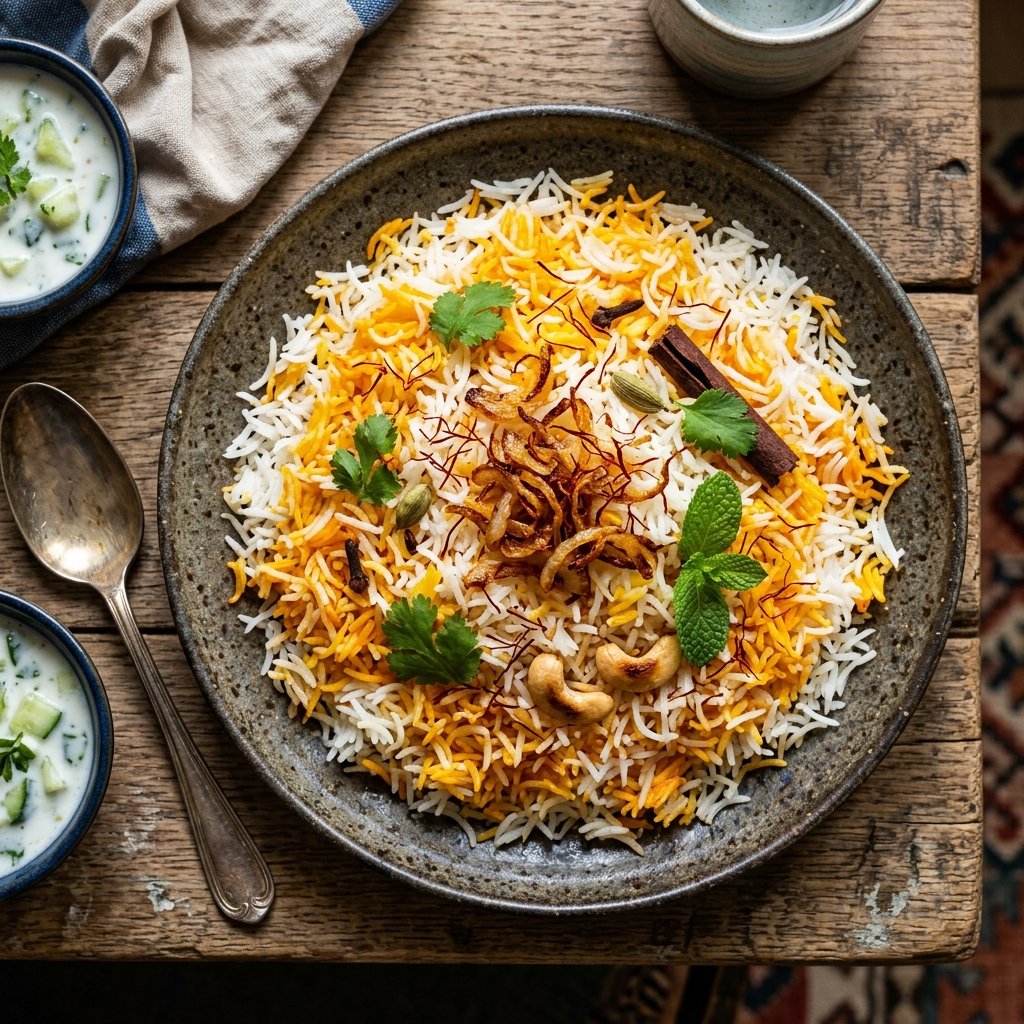
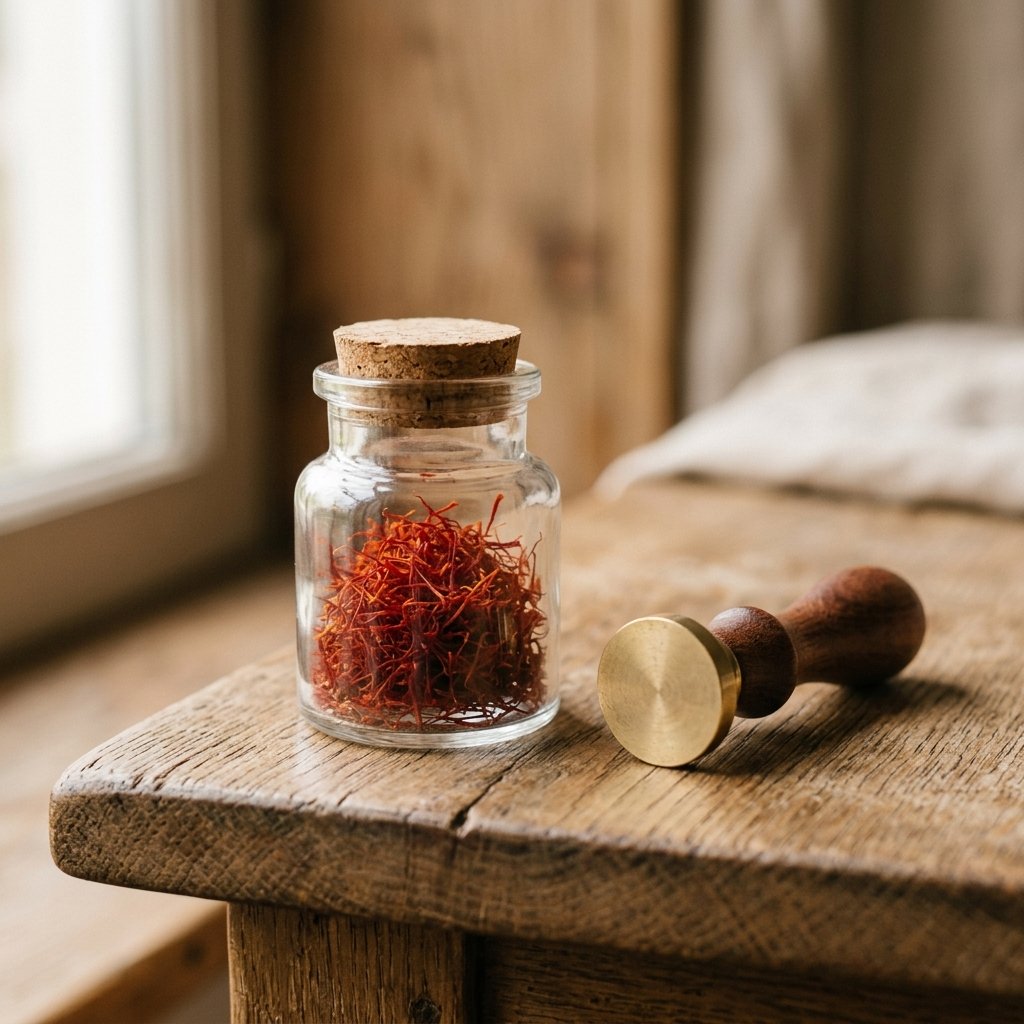
Long before saffron latte trends and wellness influencers discovered "golden milk," Kashmiri and North Indian households were already warming a cup of milk with a few saffron strands every evening, mostly without thinking of it as anything more than a comforting bedtime habit. Kesar doodh — literally "saffron milk" — is one of the simplest ways to actually use Kashmiri saffron, and it happens to be the traditional delivery method for one of saffron's best-known effects: gentle, gradual relaxation before sleep.
This guide covers the real ratio, the steeping technique that actually extracts saffron's color and aroma, and the small details that separate a genuinely good cup from a pale, flavorless one.
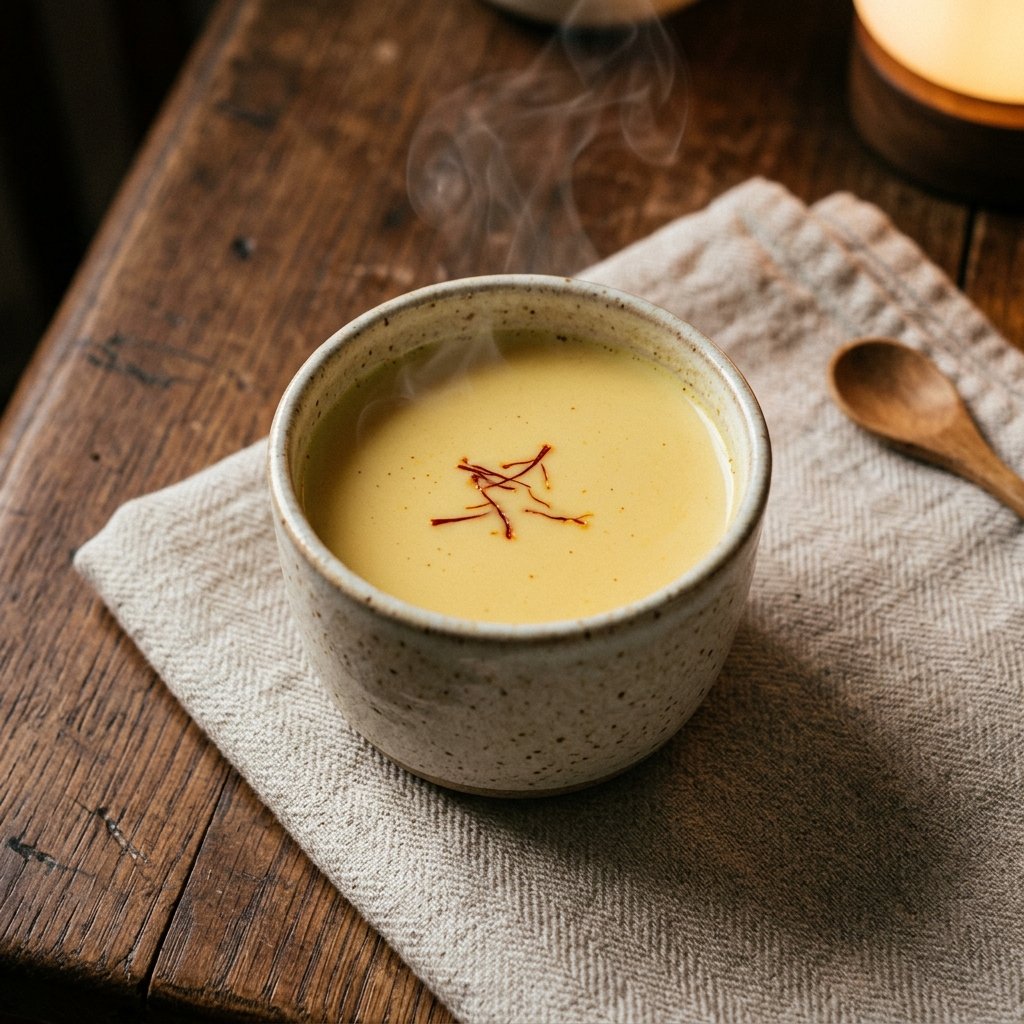
Kesar doodh — warm milk infused with a few saffron strands — is a traditional bedtime ritual.
What Is Kesar Doodh?
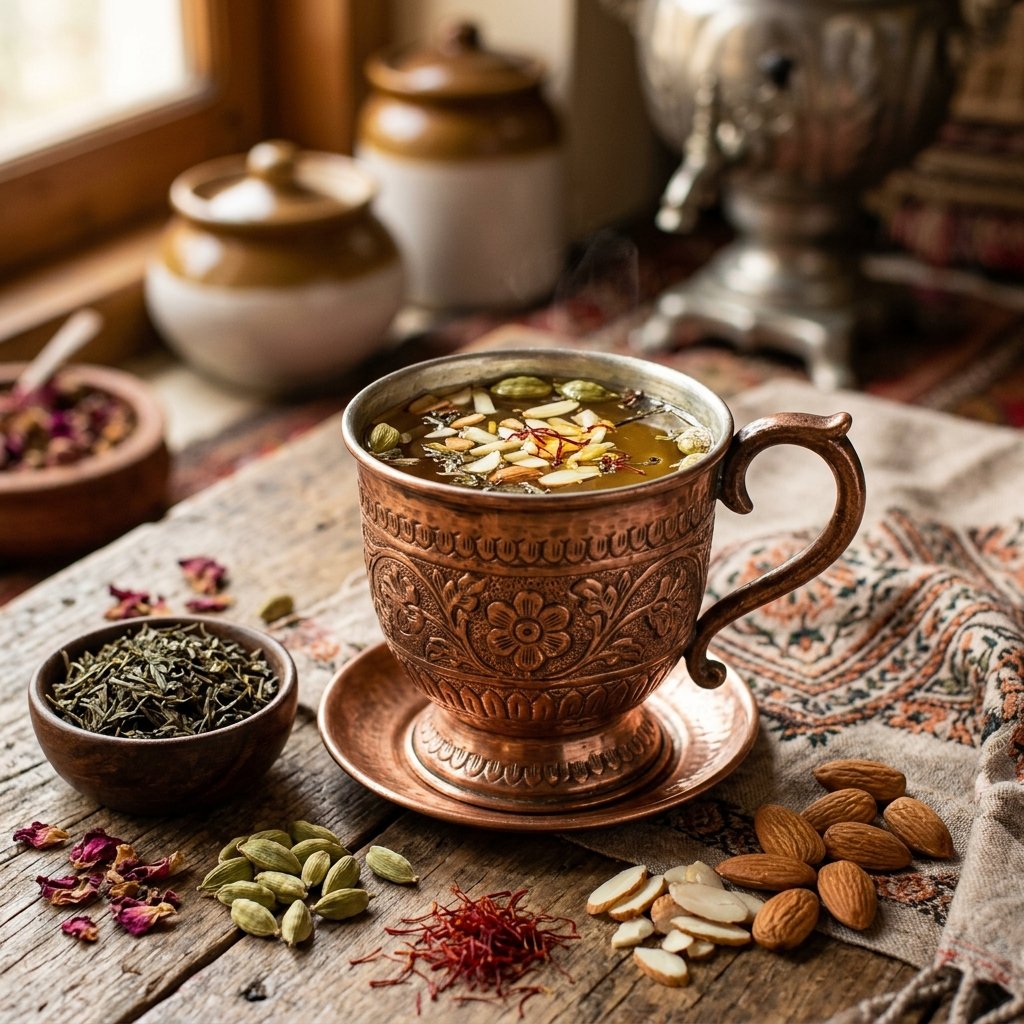
Kesar doodh is warm milk infused with a small number of saffron strands, traditionally served in the evening or right before bed. Unlike Kashmiri Kahwa, which is a green-tea-based drink served without milk, kesar doodh is milk-based and doesn't include tea leaves at all — it's a simpler, softer preparation, closer to a wind-down ritual than a morning pick-me-up. In many South Asian households, it's given to children before bed, to new mothers for recovery, and to anyone dealing with a cold or feeling run down.
Why Saffron and Milk Work Well Together
The pairing isn't arbitrary. Milk contains tryptophan, an amino acid your body uses to produce serotonin and, eventually, melatonin — the hormone that regulates your sleep-wake cycle. Saffron's active compounds, crocin and safranal, have been studied for supporting mood and calm through their own effect on serotonin activity. Warmed together, the combination plausibly reinforces the same relaxation pathway from two directions, which may be part of why this pairing has persisted across generations without anyone needing a lab to confirm it.
There's also a simple practical reason milk works so well as a saffron carrier: saffron's fat-soluble and water-soluble compounds both release more readily into warm liquid than they do into a dry dish, and milk's fat content helps draw out saffron's color and aroma more fully than water alone.
The Right Kesar Doodh Recipe
Ingredients (makes 1 cup):
- 1 cup whole milk (or a plant-based milk alternative — oat and almond milk both work, though whole dairy milk traditionally extracts saffron's color best)
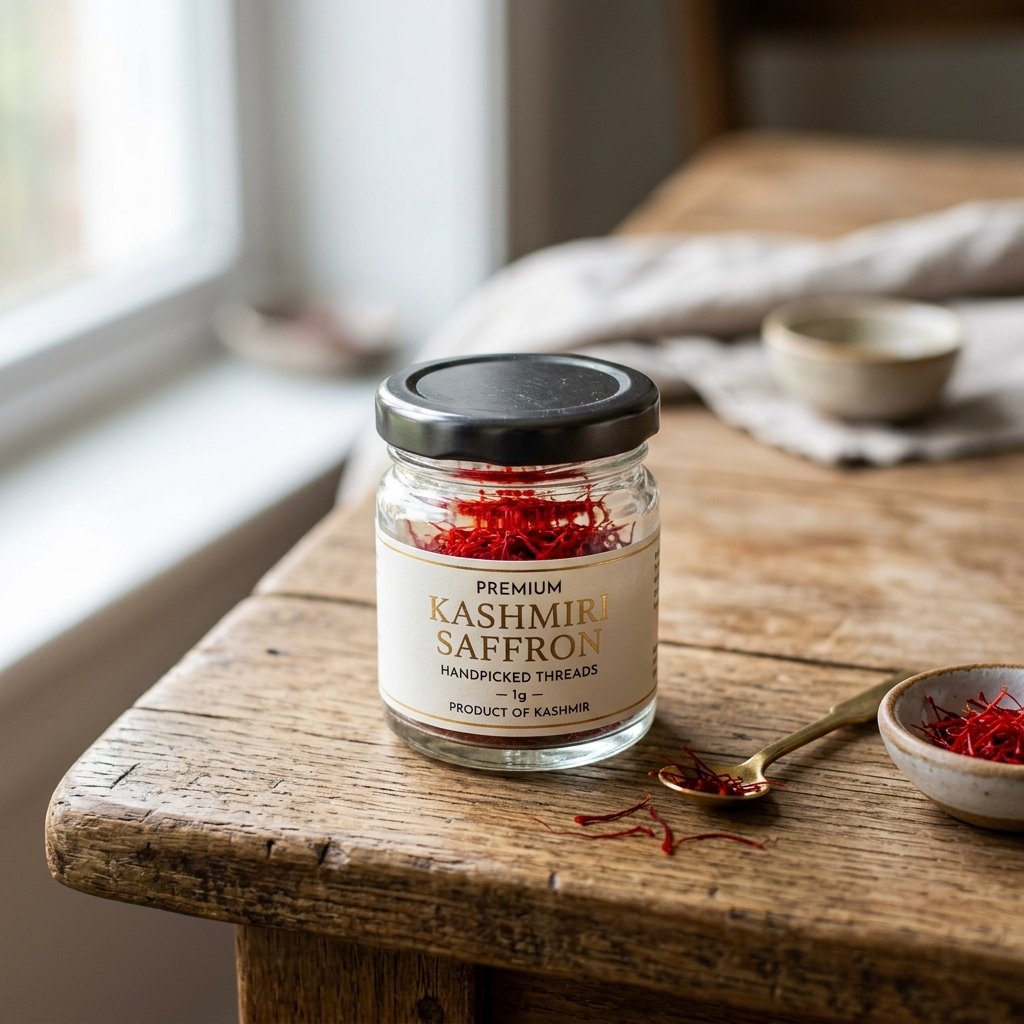
- 4–5 strands of genuine Kashmiri saffron
- 1 teaspoon honey or sugar, to taste (optional)
- A pinch of ground cardamom (optional, for extra warmth)
Method:
- Warm the milk gently. Heat the milk in a small saucepan over medium-low heat until it's warm and just beginning to steam — avoid a hard boil, which can scorch the milk and dull saffron's delicate compounds once added.
- Add the saffron strands. Drop the strands directly into the warm milk, or crush them lightly between your fingers first to help them release color faster.
- Steep for 5–10 minutes. Keep the milk on low heat, or remove it from heat and let it sit covered. You'll see the milk gradually shift from white to a soft golden hue — this slow color change is a good sign you're using real saffron, since dyed fakes tend to release color almost instantly.
- Sweeten if you like. Stir in honey or sugar once the milk is off the heat, along with a pinch of cardamom if using.
- Serve warm. Kesar doodh is meant to be sipped slowly, ideally 30–60 minutes before bed if you're using it as part of a wind-down routine.

Adding saffron to gently warmed, not boiling, milk helps preserve its delicate aroma.
How Much Saffron to Use
Four to five strands per cup is the standard ratio, and it's worth resisting the urge to add more thinking it will multiply the effect. Saffron's flavor and aroma are strong enough that oversaturating a single cup just tips the flavor toward bitter rather than making it noticeably more relaxing — the compounds responsible for saffron's calming reputation work at fairly small doses.
Common Mistakes
- Boiling the milk hard after adding saffron. High, sustained heat degrades safranal, the aroma compound, faster than gentle warming does.
- Using powdered saffron instead of whole threads. Powder is far easier to adulterate and loses potency faster, so whole threads are the safer choice specifically for this kind of daily-use recipe.
- Adding saffron to cold milk and expecting quick results. Saffron needs warmth to release its compounds efficiently — cold-steeping takes much longer and rarely extracts full color or flavor.
- Skipping the quality check. If your kesar doodh turns deep orange-red within seconds of adding the strands, it's very likely dyed, non-genuine saffron rather than real Kashmiri kesar. Learn how to test real vs fake saffron.
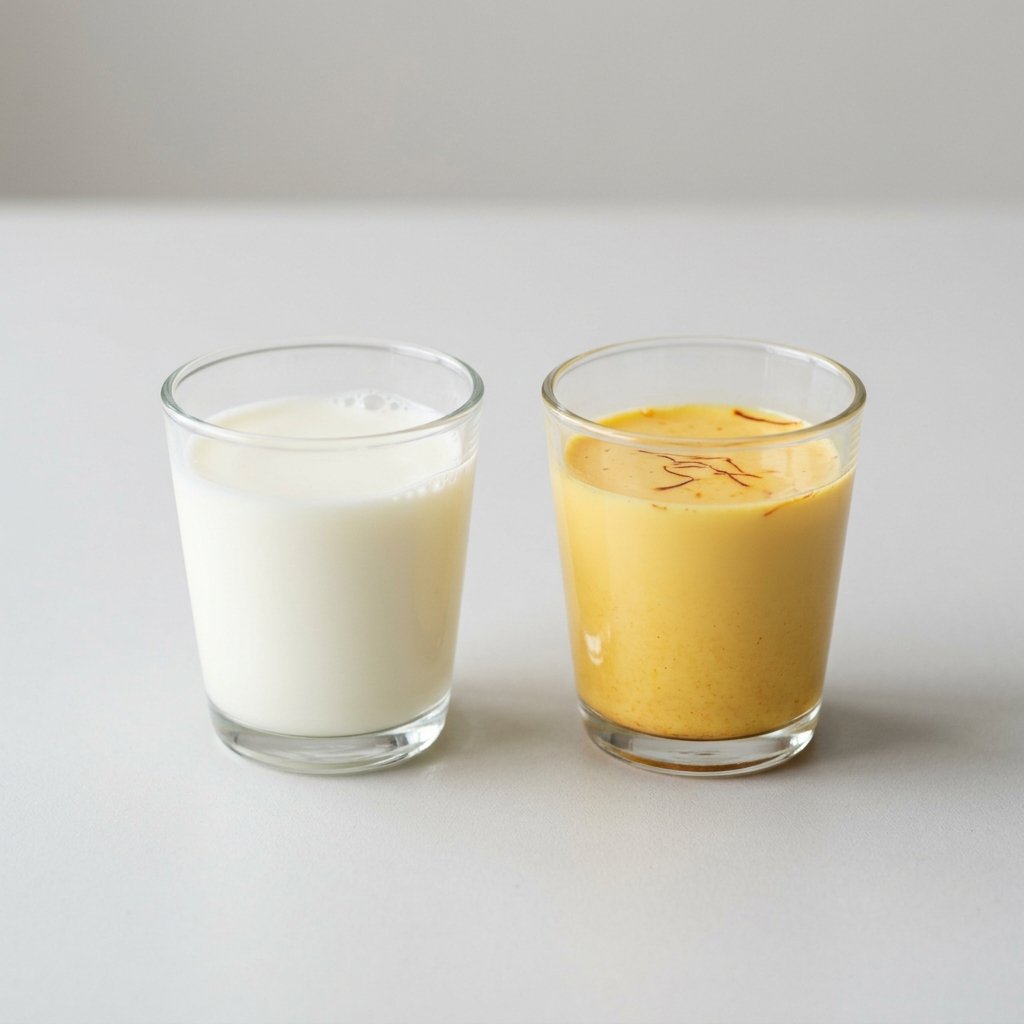
Genuine saffron gradually turns milk a soft golden hue over several minutes of steeping.
When to Drink Kesar Doodh
Most households drink it in the evening, but there's no strict rule. Some people enjoy it in the morning as a gentler alternative to coffee, particularly since saffron's effects build gradually rather than delivering an immediate jolt the way caffeine does. During cold and flu season, it's also commonly given warm as a comforting, immune-supportive drink, thanks to saffron's antioxidant properties working alongside warm milk's soothing effect on the throat.
Frequently Asked Questions
How many saffron strands should I use for one cup of milk?
Four to five strands per cup is the standard ratio used in most traditional recipes, which is enough to color and flavor the milk without pushing toward bitterness.
Can I make kesar doodh with plant-based milk?
Yes. Oat and almond milk both work well, though whole dairy milk traditionally extracts saffron's color and flavor most fully due to its fat content.
Is kesar doodh good before bed?
Traditionally, yes. Milk's tryptophan content combined with saffron's calming compounds is commonly cited as supportive for relaxation and sleep, though it works gradually rather than acting as a sedative.
Can children drink kesar doodh?
Yes, it's commonly given to children in many South Asian households, typically with a smaller number of strands and without added caffeine, unlike Kahwa.
Why isn't my kesar doodh turning golden?
If the milk stays mostly white after 10 minutes of steeping in warm milk, the saffron may be low-quality, old, or adulterated. Genuine saffron should visibly shift the milk to a soft golden color.
Is kesar doodh the same as golden milk?
No. "Golden milk" typically refers to turmeric-spiced milk, a different traditional Ayurvedic drink. Kesar doodh is specifically saffron-based and has a different flavor profile and color intensity.
Explore More Himalayan Superfoods: Pair your wellness routine with lab-tested pure Himalayan Shilajit sourced directly from high-altitude rock faces.