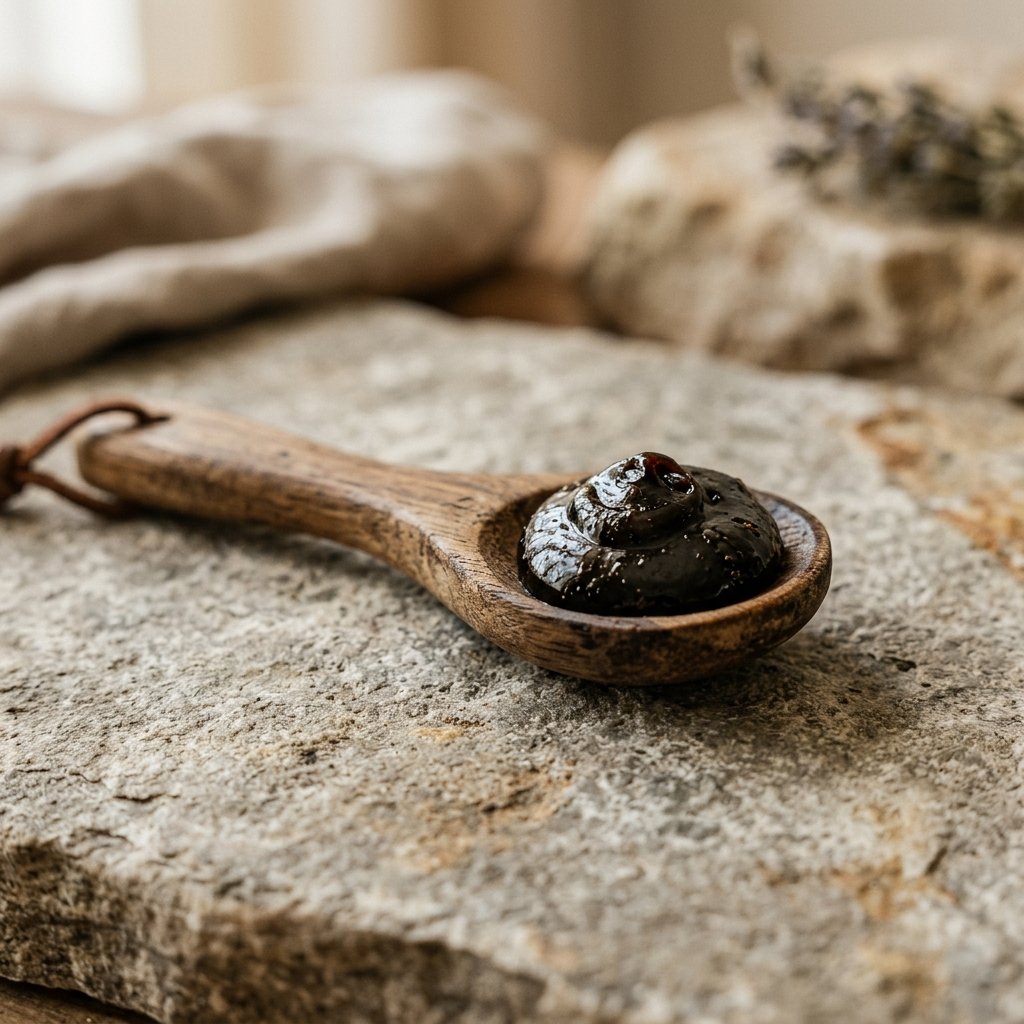
Shilajit doesn't taste good, doesn't look appetizing, and doesn't smell like much of anything pleasant. It's a thick, tar-like resin that oozes out of Himalayan rock cracks in the summer heat, and Ayurvedic adaptogens practitioners have been recommending it for thousands of years anyway. That's usually where skepticism kicks in — and it's a fair place to start.
So let's start there. What is shilajit, actually, and what does current research say it does? Not the marketing-page version with vague claims about "ancient secrets," but the version grounded in what clinical studies, in the last decade specifically, have actually measured. This guide walks through five benefits with real evidence behind them, plus how to use shilajit safely, how to spot low-quality or fake product, and what the research still can't tell you yet.
Quick context before we start: shilajit is a supplement, not a miracle cure, and the honest answer on several of its claimed benefits is "promising but still early." We'll flag exactly where that line sits.
What Is Shilajit Resin?

Shilajit is a blackish-brown, sticky exudate found in rock crevices across the Himalayas, as well as parts of the Altai, Caucasus, and other high-altitude mountain ranges. It forms over centuries through the slow decomposition of plant matter — researchers point to species like Euphorbia royleana and Trifolium repens, along with microbial activity — compressed and transformed by the extreme pressure and temperature of high-altitude rock layers.
Chemically, shilajit is made up primarily of humic substances: humin, humic acid, and fulvic acid, the last of which is generally considered its most bioactive component. Alongside these, it contains more than 80 trace minerals in ionic form — including iron, zinc, copper, and selenium — plus amino acids, fatty acids, polyphenols, triterpenes, and compounds called dibenzo-alpha-pyrones (DBPs), which researchers believe contribute meaningfully to its effects.
Raw shilajit, as it's scraped from rock, isn't something you'd want to consume directly — it typically undergoes a purification process to remove impurities, heavy metals, and unwanted organic debris before it's sold as the dark, resinous paste most people recognize. This is a critical detail, because purification quality is exactly where cheap or unregulated shilajit products tend to fail.
The 5 Health Benefits of Pure Shilajit Resin
1. Energy and Reduced Fatigue
This is the benefit most people reach for shilajit expecting, and it's also one of the better-supported ones. A 2016 randomized pilot study found that 200 mg per day of purified shilajit resin significantly improved chronic fatigue symptoms compared to placebo. A separate 2020 double-blind trial, published in the Journal of Ethnopharmacology, showed a significant reduction in chronic fatigue scores at a 300 mg daily dose over the study period.
The proposed mechanism ties back to mitochondrial function — the fulvic acid and mineral complex in shilajit is thought to support how efficiently your cells produce energy, rather than acting as a stimulant the way caffeine does. That distinction matters: people who take shilajit for energy typically describe a gradual reduction in fatigue over weeks, not an immediate jolt.
A 2026 open-label pilot study on a standardized shilajit resin formulation, conducted over 28 days in 25 healthy adults, measured changes in muscle strength, endurance, grip strength, and fatigue severity scores at a 500 mg daily dose (split into two 250 mg doses) — reinforcing the fatigue and physical performance angle with a more rigorous protocol, though the study's own authors noted it needs replication in larger, placebo-controlled trials before conclusions are firm.
2. Antioxidant Support and Cellular Protection
Fulvic acid is a genuinely potent antioxidant (read more about fulvic acid benefits), and this is arguably the most consistently reproduced finding across shilajit research. By neutralizing free radicals, fulvic acid helps reduce oxidative stress — the kind of cellular damage linked to accelerated aging and a long list of chronic conditions.
A study on elderly hypertensive patients receiving 500 mg twice daily for 30 days found decreased markers of oxidative damage (including malondialdehyde and oxidized LDL) alongside increased total antioxidant capacity and superoxide dismutase activity — both markers of a stronger internal antioxidant defense system. This is one of the more encouraging data points in shilajit research because it comes from an actual patient population, not just healthy volunteers or lab models.
3. Cognitive Health and Memory Support
Early research — much of it still in vitro (test tube) or animal-model stages — suggests fulvic acid may help protect brain cells from the kind of damage associated with neurodegenerative processes. Specifically, some studies have looked at fulvic acid's potential to inhibit the abnormal accumulation of tau protein, a factor associated with Alzheimer's disease progression.
It's important to be precise here: this is promising mechanistic research, not proof that shilajit prevents or treats Alzheimer's in humans. What can be said with more confidence is that shilajit's antioxidant and anti-inflammatory properties plausibly support general brain cell health over time — which is a meaningfully smaller and more honest claim than what a lot of supplement marketing implies.
4. Physical Performance, Strength Retention, and Recovery
Beyond general energy, shilajit has specifically been studied for muscular performance. Research suggests shilajit supplementation can help with maximal muscular strength retention following a physically fatiguing task — essentially, helping muscles hold onto strength output even after exertion, which is relevant for shilajit for athletes and anyone doing repeated physical activity across a day.
The 2026 pilot study mentioned above measured this directly through one-repetition maximum leg press testing, grip strength, and a validated Fatigue Severity Scale, giving a more concrete performance angle than older studies that relied mostly on self-reported energy levels.
There's also a smaller but interesting body of ethnographic and field-report evidence — not formal clinical trials — from Himalayan climbers who describe shilajit helping with altitude sickness symptoms like headache and nausea, theoretically linked to improved oxygen utilization at elevation. This is worth mentioning honestly as a traditional-use data point rather than proven science.
5. Male Reproductive Health
This is one of shilajit's oldest traditional uses in Ayurveda, and it has some clinical backing specifically for men (more on shilajit for men's health). A clinical trial where men took 250 mg twice daily for 90 days found increases in sperm count and motility compared to baseline — supporting shilajit's classical use as a fertility and vitality aid for men.
As with the cognitive research, it's worth being direct: most of this research is on modest sample sizes over a defined trial period, and results in a clinical study don't automatically generalize to every individual. It's a genuinely interesting and traditionally well-supported use case, not a guaranteed outcome.
What the Research Doesn't Yet Prove
Being upfront here matters more than padding out extra "benefits." A major review noted plainly that despite thousands of years of traditional use, most of shilajit's claimed benefits still lack the volume of large-scale, rigorous human trials that would be needed to consider them firmly established by modern scientific standards. Gaps that researchers themselves point to include: long-term safety data across diverse populations, standardized dosing protocols across different products, and direct comparison studies against other adaptogens people commonly consider (like shilajit vs ashwagandha or rhodiola).
None of this means shilajit "doesn't work" — it means the honest current answer is "here's real, if still developing, evidence for several specific benefits," not "here's a cure-all." That's a distinction worth holding onto, especially in a market where supplement marketing often overstates certainty.
How to Choose Pure Shilajit Resin (And Avoid Fakes)
When learning how to choose authentic shilajit, purity is arguably the single biggest issue in this category, and it deserves real attention before you buy pure Shilajit resin online.
- Watch for the "gold shilajit" marketing claim. Some brands market their product as containing gold, implying superior potency. Patent and product-analysis findings have shown that shilajit marketed this way frequently has negligible or zero actual gold content — treat this specific claim with skepticism.
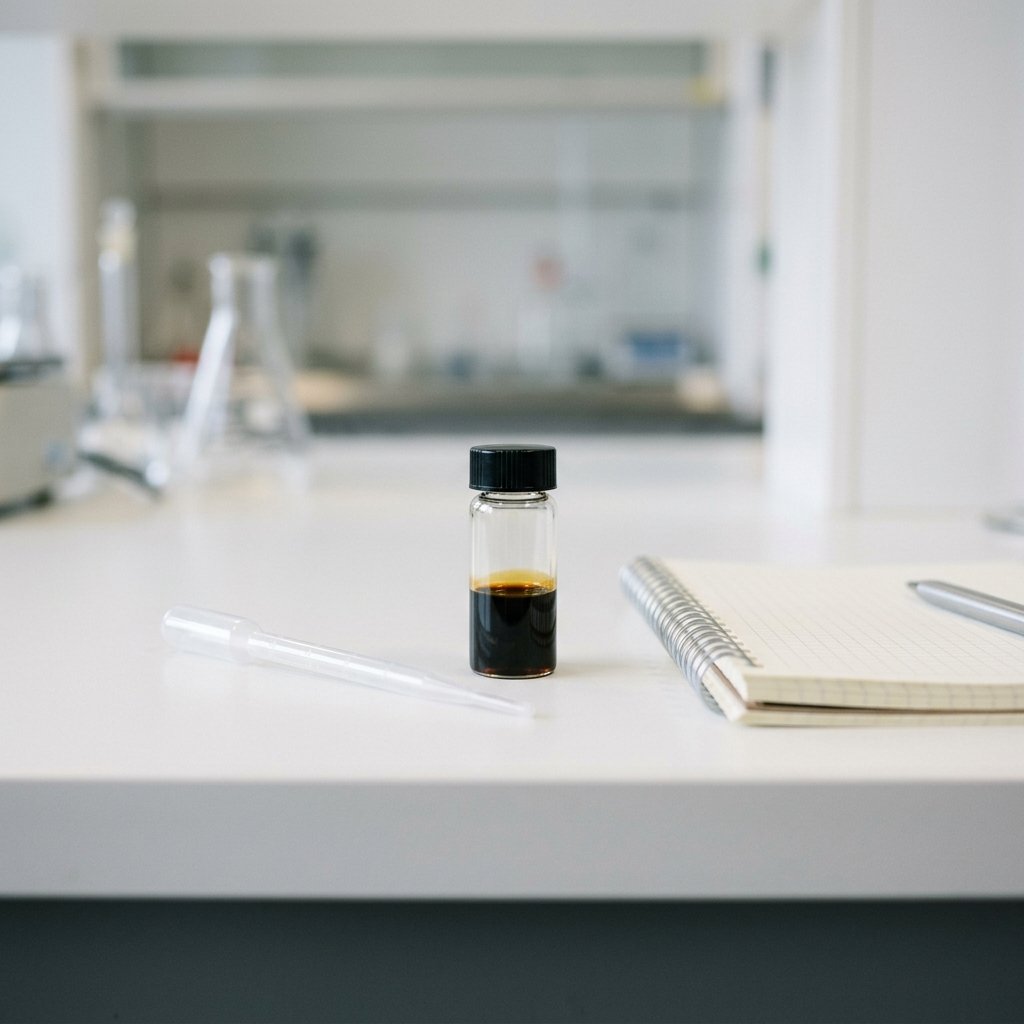 Reputable Shilajit brands test for heavy metals and purity before selling their resin.
Check for third-party heavy metal testing. Because shilajit forms in rock and mineral deposits, it can absorb heavy metals like lead, arsenic, or mercury from its surrounding environment if not properly sourced and purified. Reputable brands publish lab test results (often called a Certificate of Analysis) showing heavy metals are within safe limits — if a seller can't or won't provide this, that's a real red flag, not a minor omission.- Understand shilajit capsules vs resin. Purified resin usually contains around 6–7% fulvic acid, while concentrated extracts can run 60–70% fulvic acid. Neither is inherently "better" — resin is closer to the traditional whole-substance form, while extracts offer more concentrated, standardized dosing. What matters most is that whichever form you choose comes from a source that tests for purity.
- Texture and consistency. Genuine purified shilajit resin is thick, sticky, and softens (without fully melting) when warmed slightly in your fingers. It should not feel gritty, chalky, or oddly waxy.
- Source transparency. Reputable sellers will tell you specifically where their shilajit is sourced (commonly regions of the Himalayas, though origin varies by brand) rather than offering vague "sourced from pristine mountains" language with no specifics.
How to Take Shilajit Resin Safely
Most clinical studies referenced above used daily doses in the 200–500 mg range, often split into two doses. A practical starting point many practitioners suggest is a portion roughly the size of a grain of rice to start, working up gradually to a pea-sized portion (roughly 300–500 mg) once you know how your body responds.
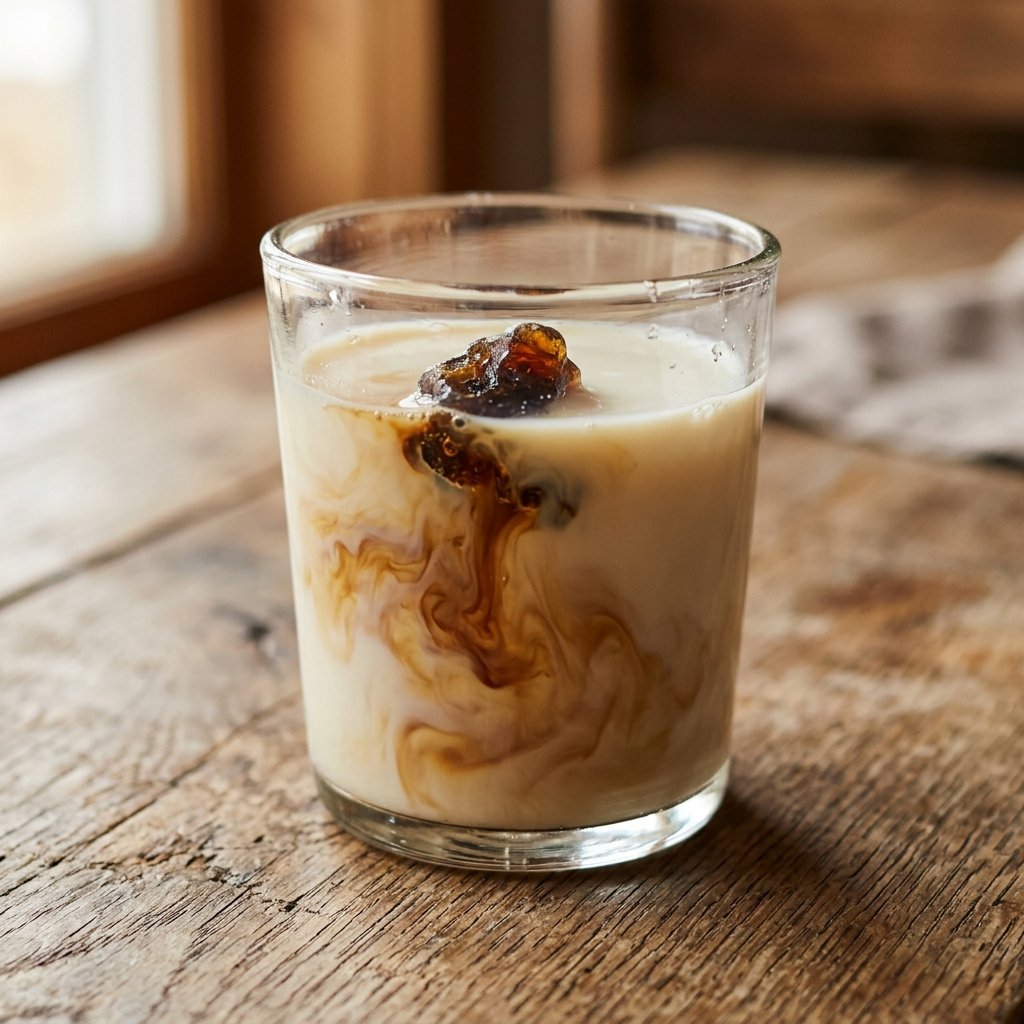
How to take it: Dissolve the resin in a small amount of warm water, warm milk, or a smoothie — it typically does not have a pleasant taste on its own, so mixing it into a liquid is the most common approach. Avoid dissolving it in boiling-hot liquid, which may degrade some of the more heat-sensitive compounds.
Timing: Many people take it in the morning for its energy-related effects, though there's no strong clinical reason it must be taken at a specific time of day — consistency matters more than exact timing.
Who should be cautious or avoid it: People with hemochromatosis (iron overload disorders), those on medication for blood pressure, diabetes, or blood thinners (given shilajit's potential mild effects on these systems), and pregnant or breastfeeding women should talk to a doctor before use, since safety data in these groups specifically is limited.
Common Side Effects and Precautions
Reported side effects are generally mild and uncommon when using a properly purified, tested product — occasional digestive discomfort, dizziness, or a mild skin reaction in sensitive individuals. Because raw or poorly purified shilajit can carry heavy metal contamination or unwanted fungal compounds, most of the genuinely concerning side effects in reported cases trace back to product quality issues rather than shilajit itself when properly sourced.
Avoid using shilajit for prolonged, indefinite periods without a break — most practitioners suggest cycling use (for example, 2–3 months on, followed by a short break) rather than continuous year-round use, though clinical guidance on optimal cycling patterns is still limited.
How to Store Shilajit Resin
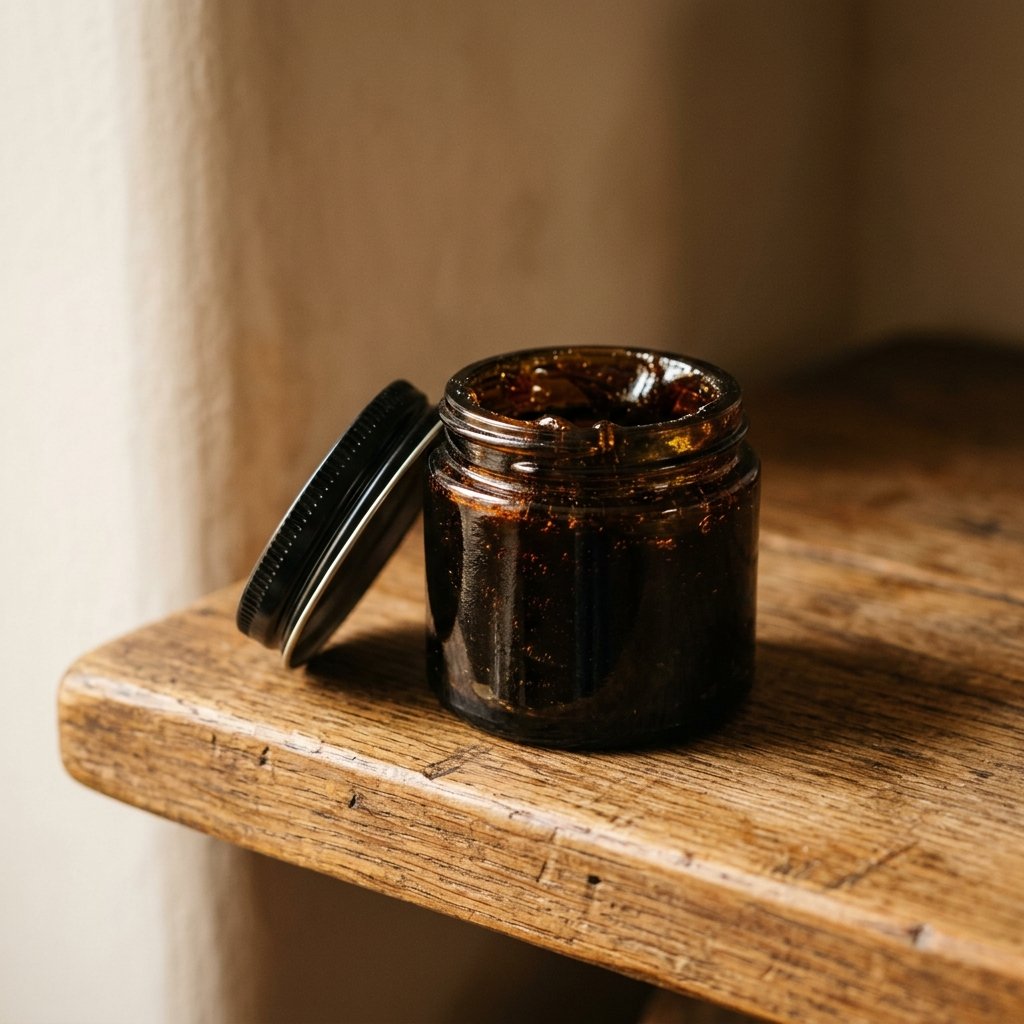
Keep shilajit resin in its original airtight container, away from direct sunlight and excess heat, ideally at room temperature. It doesn't require refrigeration and, similar to saffron, repeated fridge exposure can introduce moisture that affects texture over time. Properly stored, pure shilajit resin has a long shelf life — often several years — since its dense, low-moisture composition naturally resists spoilage.
Frequently Asked Questions
What is pure Shilajit resin made of?
Shilajit resin is composed primarily of humic substances — humin, humic acid, and especially fulvic acid — along with more than 80 trace minerals in ionic form, amino acids, and plant-derived compounds formed over centuries in Himalayan rock layers.
What are the main benefits of Shilajit resin?
Research points to five well-studied benefits: reduced fatigue and increased energy, antioxidant and cellular protection, cognitive health support, improved physical performance and strength retention, and support for male reproductive health.
How much Shilajit resin should I take daily?
Most clinical studies used 200–500 mg per day, often split into two doses. Beginners are often advised to start with a rice-grain-sized portion and gradually work up to a pea-sized portion.
Is Shilajit resin safe to take every day?
For most healthy adults using a properly purified, tested product, daily use within studied dose ranges appears safe short to medium term, though many practitioners recommend cycling use rather than continuous indefinite consumption.
How do I know if my Shilajit is real and pure?
Look for third-party heavy metal testing or a Certificate of Analysis, be skeptical of "gold shilajit" marketing claims, and check that the texture is thick and sticky rather than gritty or waxy.
Does Shilajit resin actually boost testosterone?
Most rigorous research on shilajit specifically examines sperm count and motility rather than testosterone levels directly, with one clinical trial showing improvements in these markers over a 90-day period at 250 mg twice daily.
Can women take Shilajit resin?
Yes, though most existing clinical research has focused on male reproductive health specifically. Women commonly use shilajit for its energy, antioxidant, and mineral-support benefits, but should consult a doctor if pregnant, breastfeeding, or managing a health condition.
What does Shilajit resin taste like?
It has a strong, somewhat bitter, mineral-heavy taste that most people don't enjoy on its own, which is why it's typically dissolved into warm milk, water, or a smoothie rather than taken directly.
How long does it take to feel the effects of Shilajit?
Unlike a stimulant, shilajit's effects on energy and fatigue tend to build gradually. Most users report noticing a difference after several weeks of consistent daily use rather than immediately.
Does Shilajit resin interact with medications?
It may interact with medications for blood pressure, diabetes, or blood clotting due to its mineral content and mild physiological effects. Anyone on prescription medication should consult a doctor before starting shilajit.
What is the difference between Shilajit resin and Shilajit capsules?
Resin is closer to the traditional, minimally processed form and is dissolved in liquid before consumption, while capsules typically contain standardized extract powder for more convenient, precise dosing — both can be effective if sourced from a purity-tested product.
Can Shilajit resin help with altitude sickness?
Traditional and field-report evidence from Himalayan communities and climbers suggests it may help with altitude-related headache and nausea, theoretically linked to improved oxygen utilization, though this specific use hasn't been studied in large formal clinical trials.
Is "gold Shilajit" actually better than regular Shilajit?
No — product analysis has repeatedly shown that shilajit marketed as containing gold frequently has negligible or no actual gold content, making this largely a marketing claim rather than a meaningful quality indicator.
How should I store Shilajit resin?
Keep it in its original airtight container at room temperature, away from direct sunlight and heat. It does not require refrigeration and has a naturally long shelf life when stored properly.
Who should avoid taking Shilajit resin?
People with iron overload conditions like hemochromatosis, those on blood pressure, diabetes, or blood-thinning medication, and pregnant or breastfeeding women should consult a doctor before use due to limited safety data in these groups.